BWI affiliate 3F marked Workers’ Memorial Day through a social media campaign and publication of its own poster, raising awareness of workplace safety.
BWI affiliate 3F marked Workers’ Memorial Day through a social media campaign and publication of its own poster, raising awareness of workplace safety.
BWI affiliate CMWEU marked Workers’ Memorial Day with a panel discussion involving government ministries, health and safety stakeholders and federation sisters unions CTSO focusing on occupational health and safety standards and the impact of weak enforcement. The union also joined a street demonstration in Rosehill demanding safety improvements, inclusion of migrant workers and addressing climate change impacts on the workplace. Roughly 1,000 workers were involved across both activities.
BWI affiliated union ZCATWU marked Workers’ Memorial Day through awareness meetings in Masvingo and Harare focused on heat stress and the need for climate-protective clauses in collective bargaining agreements and sector policies. Workers were also encouraged to strengthen negotiations at workplace and national level.
BWI affiliate the National Union of Civil Engineering, Construction, Furniture and Wood Workers (NUCECFWW) marked Workers’ Memorial Day through an awareness campaign and workplace action focused on decent work and climate-related occupational health risks, including heat stress. Workers shared experiences and recommendations, and the union also participated in a federation pre-May Day lecture. Over 300 workers were involved in 28 April activities.
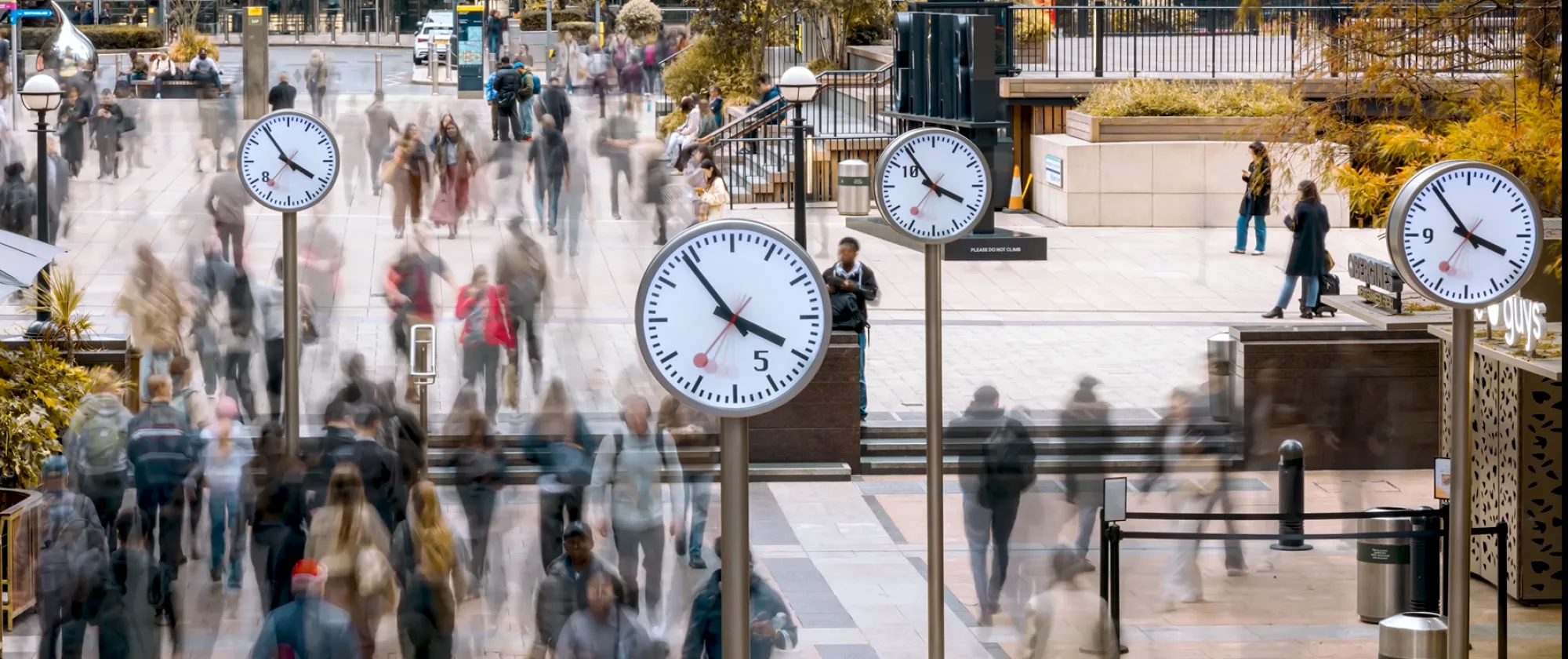
To mark World Day for Safety and Health at Work, Kaori Nakamura-Osaka, International Labour Organization Assistant Director-General and Regional Director for Asia and the Pacific, calls for stronger action to protect workers from psychosocial hazards.
A delivery rider works 14 hours a day to meet algorithm-driven targets. A factory worker quietly endures relentless pressure and harassment. A middle-aged manager pushes away thoughts of suicide resulting from stress.
These are not isolated stories. They are signals of a deeper crisis, one that is too often invisible, unspoken and underestimated: the impact of psychosocial hazards on workers.
This 28 April, the World Day for Safety and Health at Work calls global attention to psychosocial factors that influence health at work.
The impact of physical work-related hazards such as manual handling of heavy loads or working at heights are well recognised and understood. Psychosocial hazards are invisible but just as dangerous. Long working hours, workplace stress, violence and harassment, low pay and lack of job security – to name but a few – can all take a toll on both the physical and mental health of workers.
A new International Labour Organization (ILO) report, The psychosocial working environment: Global developments and pathways for action highlights the scale of the impact.
It reveals that work-related psychosocial factors are responsible for more than 840,000 deaths annually due to associated cardiovascular diseases and mental disorders and lead to the loss of nearly 45 million disability-adjusted life years (DALYs) each year.
Long working hours are highlighted as a critical psychosocial risk factor associated with increased risk of cardiovascular disease and stroke. In Asia and the Pacific, the burden is especially significant with nearly half of workers in the region working more than 48 hours per week, substantially higher than in other parts of the world.
The report also recognises the implications of the changing world of work on the psychosocial work environment. Digitalization and the use of artificial intelligence are transforming how tasks are coordinated, monitored and assessed. New forms of employment, including platform work, varied contractual arrangements and the expansion of remote and hybrid work, are redefining supervision, expectations and working time. While these developments may create opportunities to strengthen the psychosocial working environment, they may also exacerbate psychosocial risks.
The true extent of the problem is still not fully understood. Data remains fragmented and many countries lack consistent systems to identify psychosocial hazards and address their risks.
Stigma continues to silence workers who might otherwise speak out. This silence is one of the biggest barriers we face. Many fear the negative career consequences of talking about stress, burnout, anxiety or depression at work. The result is that problems remain hidden until they become crises.
But there is also reason for cautious optimism. Governments, employers and workers across the region are increasingly recognizing that psychosocial hazards represent a major threat to workers’ safety and health as well as organizational productivity and broader economic performance.
We are seeing this shift reflected in policy. For instance, when China revised the Work Safety Law in 2021, mental health at work was formally incorporated into employers’ statutory obligations. The revision requires employers to strengthen psychological aspects in occupational health services. Meanwhile, in 2024, when China revised the Classification and Catalogue of Occupational Diseases, occupational mental health disorders were included as occupational diseases for the first time.
Other examples across the region include Japan’s current national occupational safety and health programme which prioritizes the prevention of overwork and mental health problems. The Republic of Korea is expanding support through workers’ health centres and requiring rest facilities. Australia and New Zealand have integrated mental health into broader national strategies, while countries such as Malaysia and the Philippines are strengthening legal frameworks to address psychosocial risks at work.
The ILO’s new report highlights a simple but powerful truth: psychosocial risks are not inevitable. They arise from identifiable aspects of work, excessive demands, lack of control, poor support and unfair treatment. These can all be changed and this means prevention is possible.
Across Asia and the Pacific, promising practices are already emerging. In Singapore, tools such as iWorkHealth help companies assess workplace psychosocial factors and promote well-being. In Malaysia, guidelines on psychosocial risk management support employers in identifying and addressing risks.
For workers in every sector, psychosocial factors at work can make the difference between a job that supports well-being and one that undermines it. Creating such environments requires commitment from all sides. Governments must strengthen policies and data systems. Employers must take responsibility for how work is organized and managed. Workers must be able to participate, speak up and be heard. Social dialogue is essential to making this happen.
The message for Asia and the Pacific is clear: the region’s future depends not only on how much people work, but on how work is experienced every day. Behind every statistic is a worker trying to cope, to provide, to endure. Managing psychosocial risks means ensuring that work does not come at the cost of health, dignity or life itself.
A safe and healthy working environment is a fundamental principle and right at work. Making that a reality, is a challenge we must meet.
Acciona Group marked Workers’ Memorial Day across Spain, the Philippines, Brazil, Chile, Italy, Panama, Peru, the Netherlands and Mexico through a coordinated global safety initiative linked to BWI campaigns. Activities included minutes of silence, workplace training, awareness sessions and safety campaigns focused on occupational health, psychosocial risks, mental health and heat stress. The company also developed materials supporting the “Too Hot To Work” campaign, reinforcing prevention measures and safety culture across projects and construction sites in multiple countries.
In Mexico, BWI affiliate CIT marked Workers’ Memorial Day through a social media campaign supporting BWI’s action on heat stress. The initiative highlighted the dangers extreme temperatures pose to workers and promoted awareness of the need for stronger occupational health and safety protections.
View this post on Instagram
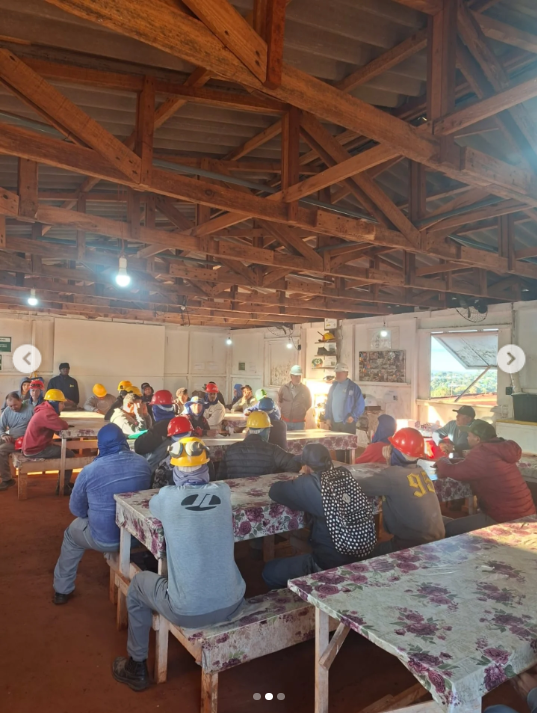
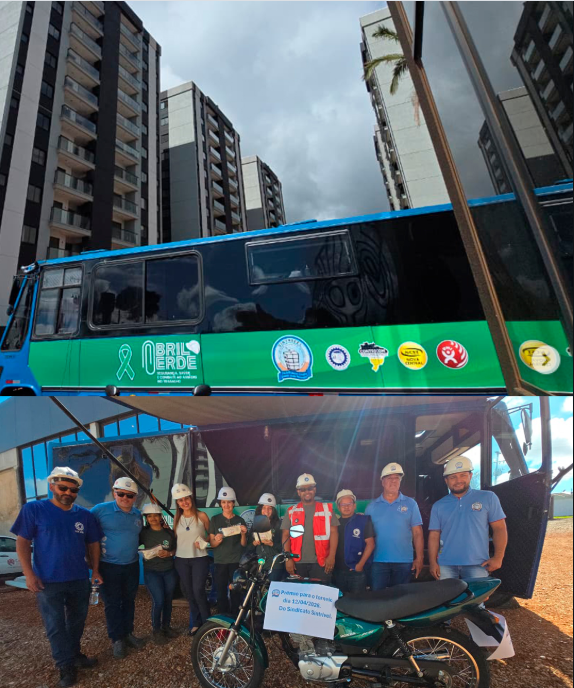
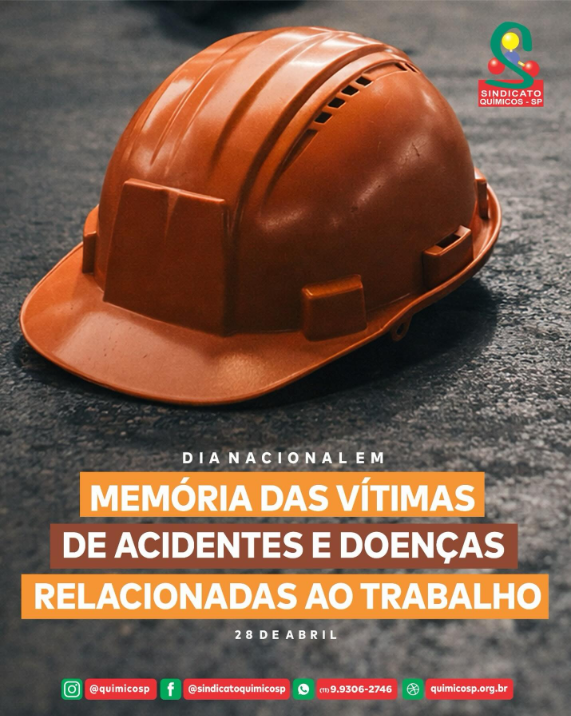
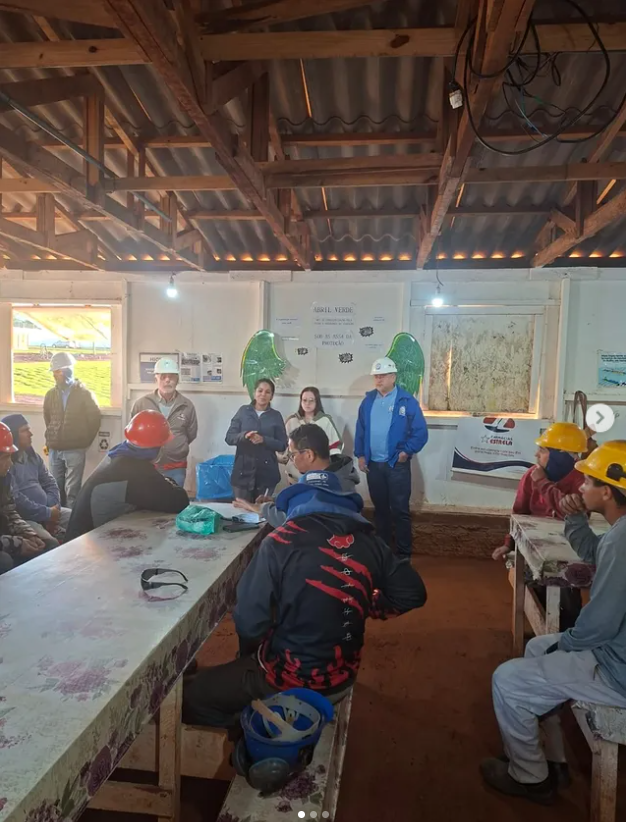
In Brazil, BWI affiliated unions including SINTRACOM Londrina, SINTRIVEL, Químicos Unificados, SINTEPAV-BA and others marked Workers’ Memorial Day through remembrance events, workplace training, demonstrations and safety campaigns involving around 1,000 participants. Activities highlighted the importance of occupational health and safety, workers’ rights and prevention of workplace accidents. A major protest at the Amanco plant denounced unsafe conditions following a serious injury in which a subcontracted worker lost his hand. Unions also carried out extensive worksite visits and awareness activities linked to the “Green April” campaign for safer workplaces.
Social Media
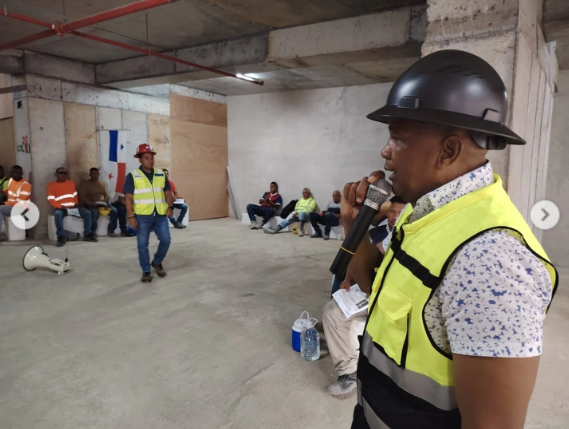
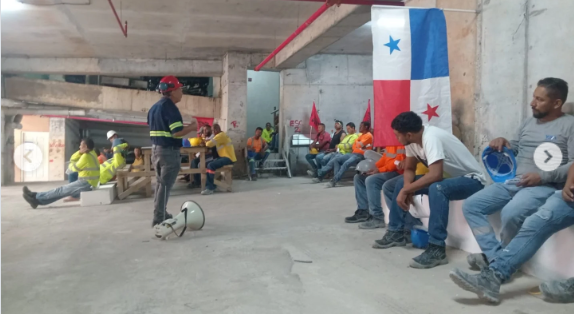
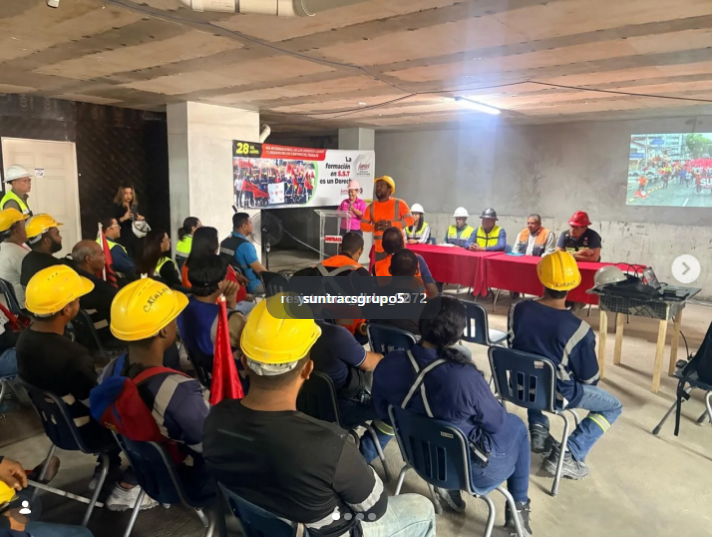
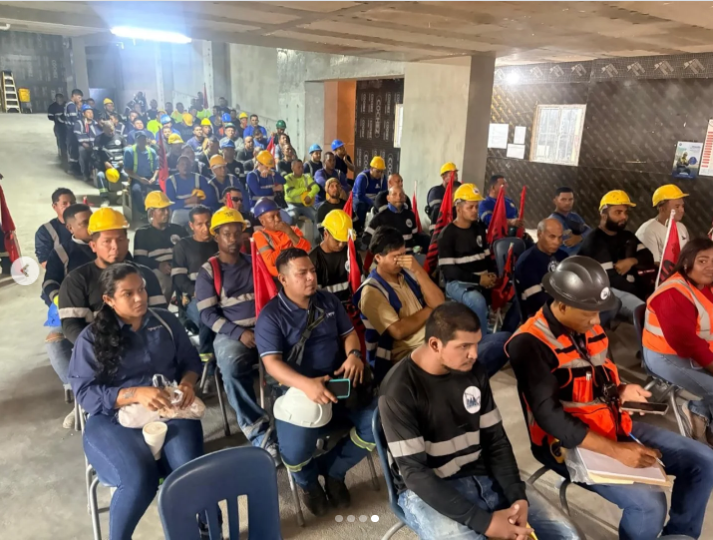
In Panama, BWI affiliate SUNTRACS marked Workers’ Memorial Day with a nationwide programme of workplace assemblies, training sessions, videos and social media campaigns involving over 2,000 participants. Activities commemorated workers killed in past accidents while promoting occupational health and safety, mental health and stronger prevention measures. The union carried out on-site talks and risk prevention training across multiple projects, highlighting workers’ rights secured through collective bargaining and reaffirming its long-standing campaign for safer working conditions and reduced workplace deaths.
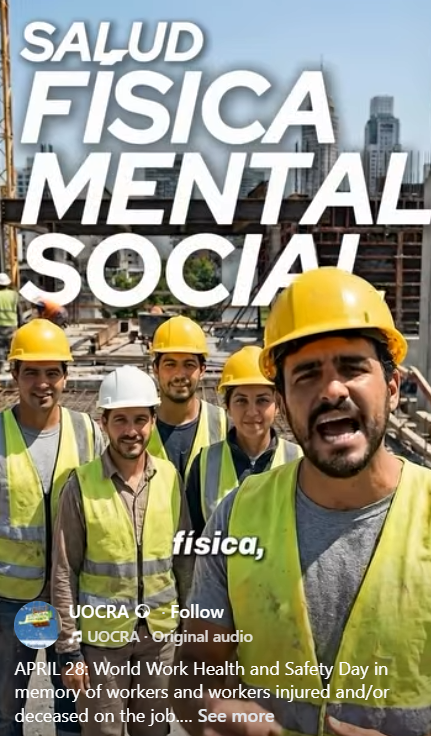
BWI affiliate UOCRA marked Workers’ Memorial Day with training, videos, workplace assessments and social media safety campaigns. Activities addressed heat stress prevention, psychosocial risks including stress and harassment, and safety measures for high-risk construction work such as working at height. The union also carried out workplace risk assessments and practical safety training, emphasising prevention, worker participation and the recognition of health and safety as a fundamental right.