Mauritius: On 28 April CTSP scored a big win for health and safety

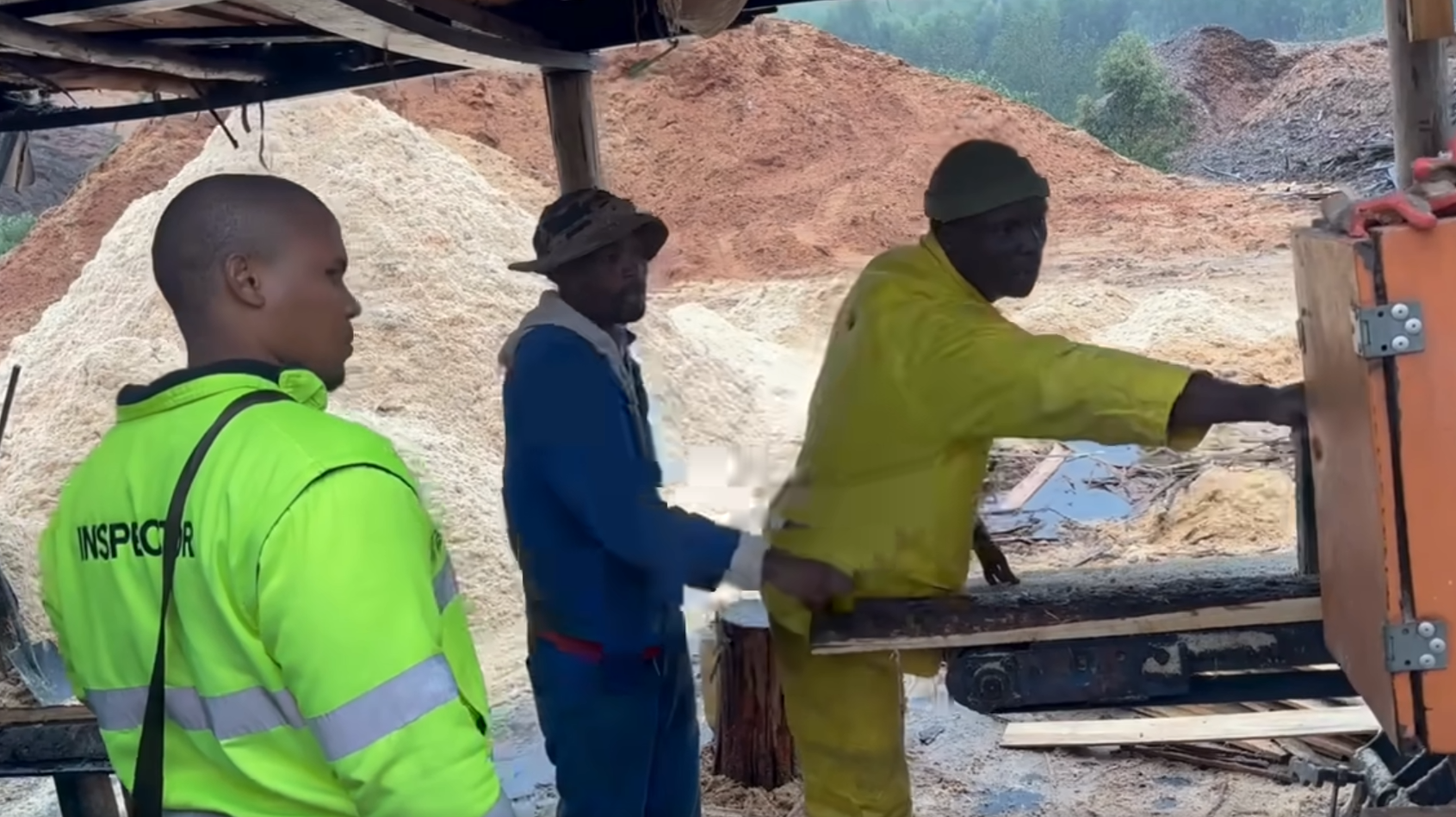
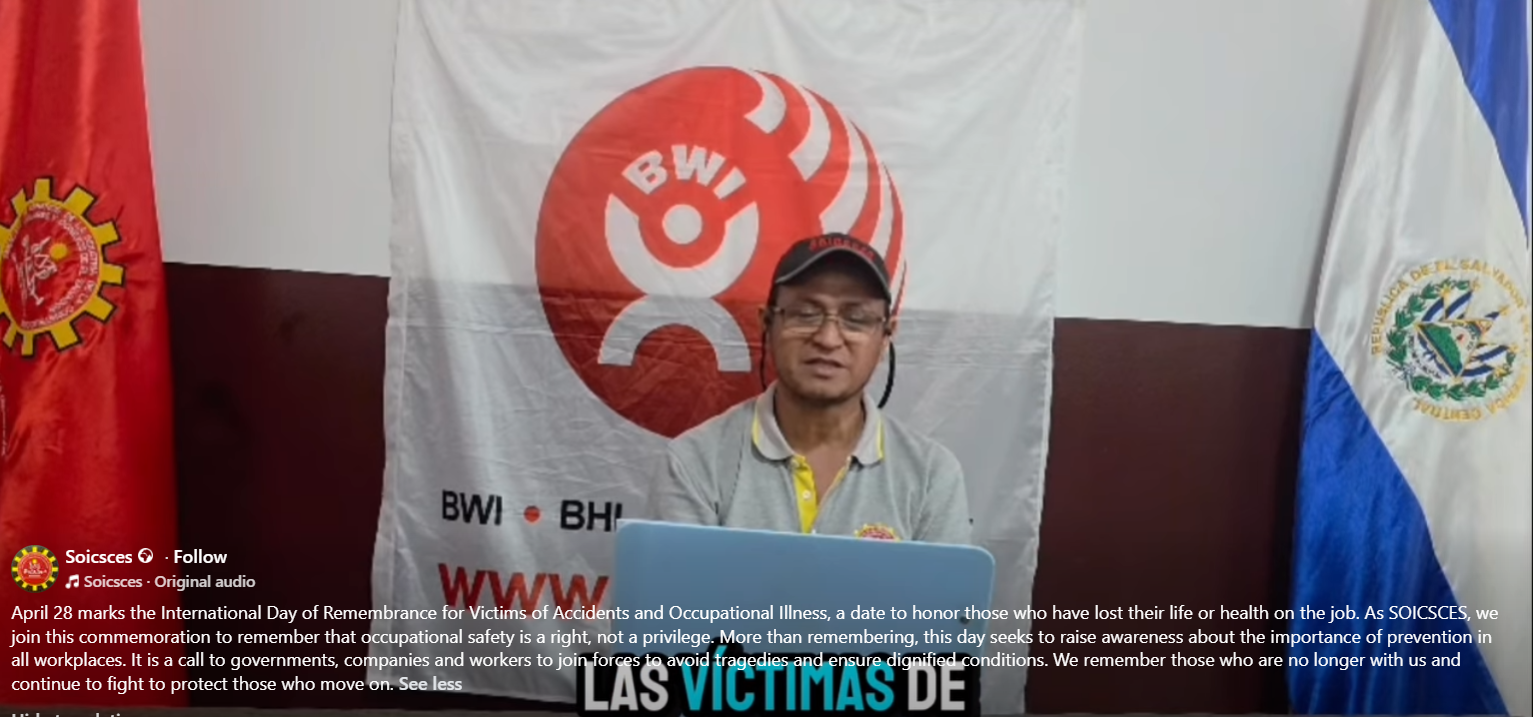
Coinciding with this year’s observance of International Workers’ Memorial Day, workers of Mauritius scored a big win for health and safety.
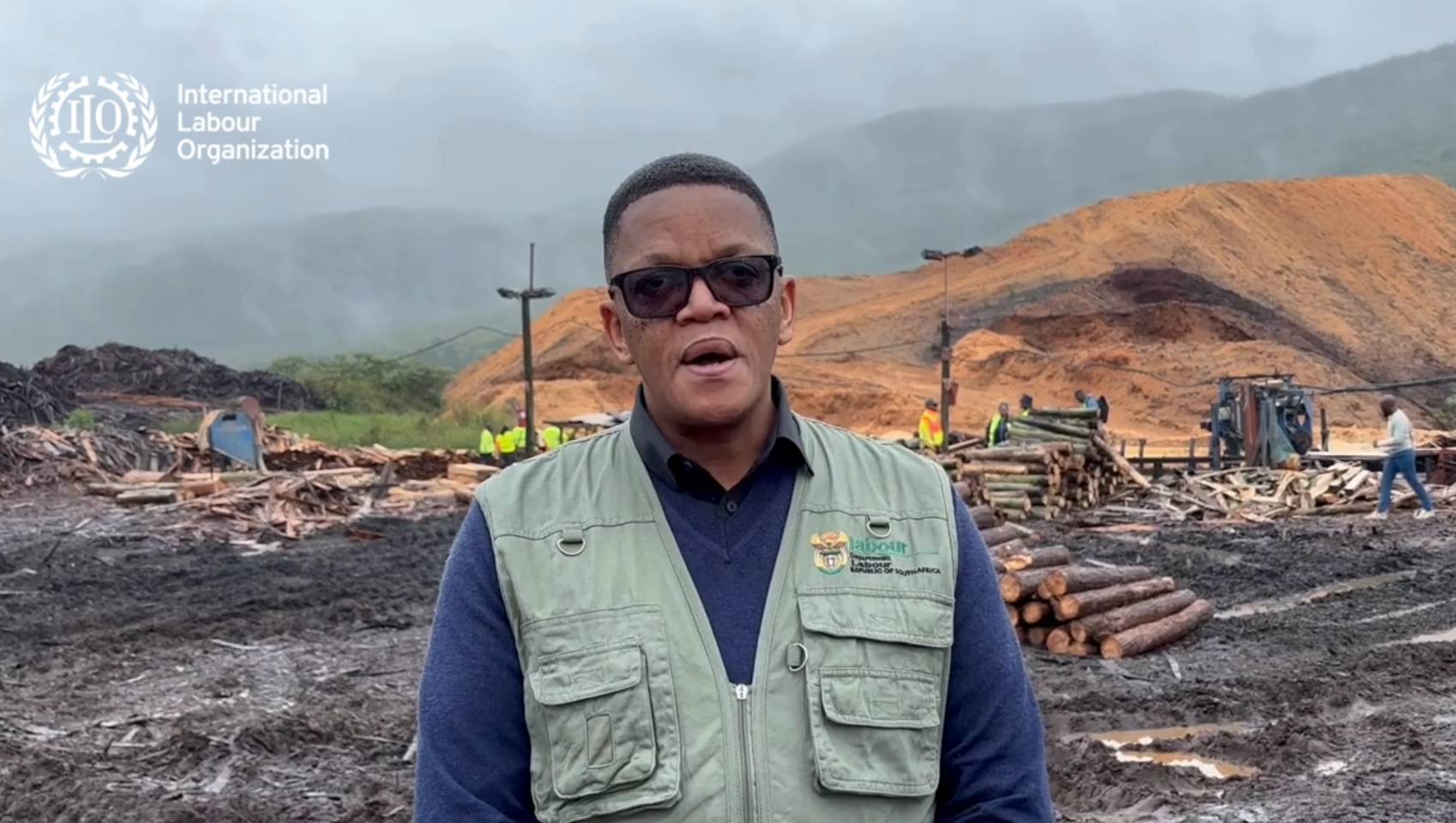
The BWI-affiliated Confédération des Travailleurs des Secteurs Publique et Privé (CTSP) joined government representatives from various ministries in announcing that ILO Convention 192 on biological hazards will be ratified.
A gap analysis is now underway to identify which existing laws need to be amended and consolidated through the Tripartite National Advisory Council on Occupational Health and Safety, where CTSP is represented by Jane Ragoo and Reeaz Chuttoo.
A major step forward in strengthening protections for workers and building safer workplaces for all. #IWMD2026
May be an image of text that says "EXIT L QUAND LA CHALEUR TUE LES ACCORDS PROTEGENT PROTECTION WELN MUST BE WON WONAND AND SIGNED. NOT PROMISED နှ し おニー 15 ".ន rHA"

Asia-Pacific: ITUC-AP 28 April commemoration highlights psychosocial risks

Hundreds of trade unionists attended a 24 April 2026 preparatory webinar for International Workers’ Memorial Day, organised by ITUC’s Asia Pacific office (ITUC-AP). The event, on the theme of how unions can challenge psychosocial hazards at work, included case histories on informal work, content moderation and gender, and featured presentations by ITUC-AP general secretary Shoya Yoshida and IUF-AP regional secretary and work safety expert Hidayat Greenfield.

ITUC-AP produced a graphic summary of the meeting, which including action points. It concluded unions should: organise to fight psychosocial harm; demand accountability and transparency; use collective bargaining to shape workplace changes; and build bottom-up solutions and actions to protect workers.

It noted unions were: building the capacity of women occupational safety and health representatives, including measures to address psychosocial risks in collective bargaining agreements; ensuring women’s participation in collective bargaining; and connecting workers affected by similar psychosocial risks.

Unions in the region agreed it was necessary to: call on governments to recognise psychosocial harms as occupational injuries and illnesses; ratify the fundamental ILO occupational health and safety conventions C155 and C187; strengthen legal protections from psychosocial harm; and extend labour protections to platform workers and BPOs (business processing outsourcing – a service subcontracting practice commonly used by major companies to provide content moderation, call centre and other services).

“Psychosocial risks are not only occupational safety and health issues; they are also issues of dignity, equality, and fundamental rights,” ITUC-AP general secretary Shoya Yoshida said.

“What trade unions are showing is that psychosocial risks are not invisible. They are being named, organised around, and challenged. Through collective action, workers are turning these issues into demands and concrete solutions for safer, healthier, and more dignified work.”

Armenia: CTUA marks 28 April with a call for safer and healthier workplaces

By initiative of the International Labour Organization, 28 April is observed every year as the World Day for Safety and Health at Work, with the aim of contributing to the prevention of workplace accidents and occupational diseases.

The theme of the 2026 World Day for Safety and Health at Work is: “Let us ensure a healthy psychosocial working environment.”

It emphasises that the psychosocial working environment is shaped through the organisation and management of work and everyday working conditions.

Today it is increasingly clear that a person’s health at work depends not only on physical conditions but also on working relationships and management culture. How work is organised, how clearly responsibilities are defined, how workloads are distributed, and the level of support provided to workers directly affect their mental and physical well-being.

Adverse psychosocial conditions can lead to stress, tension and reduced work capacity. If these factors are not assessed and managed in time, they become real risks affecting both workers’ health and overall organisational performance. For this reason, it is important that employers treat psychosocial risk management as an integral part of the occupational safety system.

The Confederation of Trade Unions of Armenia emphasises the importance of creating a working environment based on fairness and mutual respect. Only through a systematic and responsible approach can stable, safe and dignified working conditions be ensured.

Confederation of Trade Unions of Armenia

Armenia: ԱՊՐԻԼԻ 28-Ը՝ ԱՇԽԱՏԱՆՔԻ ԱՆՎՏԱՆԳՈՒԹՅԱՆ ԵՎ ԱՌՈՂՋՈՒԹՅԱՆ ՀԱՄԱՇԽԱՐՀԱՅԻՆ ՕՐ – CTUA

English translation below

Աշխատանքի միջազգային կազմակերպության նախաձեռնությամբ յուրաքանչյուր տարի ապրիլի 28-ը նշվում է որպես աշխատանքի անվտանգության և առողջության համաշխարհային օր, որի նպատակն է նպաստել աշխատավայրում դժբախտ դեպքերի և մասնագիտական հիվանդությունների կանխարգելմանը:
Աշխատանքի անվտանգության և առողջության 2026թ. համաշխարհային օրվա թեման է՝ «Եկեք ապահովենք առողջ հոգեսոցիալական աշխատանքային միջավայր»։
Այն ընդգծում է, որ աշխատավայրի հոգեսոցիալական միջավայրը ձևավորվում է աշխատանքի կազմակերպման, կառավարման և ամենօրյա աշխատանքային պայմանների միջոցով։
Այսօր ավելի ակնհայտ է դառնում, որ աշխատավայրում մարդու առողջությունը կախված է ոչ միայն ֆիզիկական պայմաններից, այլև աշխատանքային հարաբերություններից և կառավարման մշակույթից։ Այն, թե ինչպես է կազմակերպվում աշխատանքը, որքան հստակ են սահմանված պարտականությունները, ինչպես է բաշխվում ծանրաբեռնվածությունը և ինչ մակարդակի աջակցություն է ստանում աշխատողը, ուղղակիորեն ազդում են նրա հոգեկան և ֆիզիկական վիճակի վրա։
Անբարենպաստ հոգեսոցիալական պայմանները կարող են առաջացնել լարվածություն, սթրես և աշխատունակության անկում։ Եթե այդ գործոնները ժամանակին չեն գնահատվում և չեն կառավարվում, դրանք վերածվում են իրական ռիսկերի՝ ազդելով ինչպես աշխատողի առողջության, այնպես էլ կազմակերպության ընդհանուր արդյունավետության վրա։ Այդ պատճառով կարևոր է, որ գործատուները հոգեսոցիալական ռիսկերի կառավարումը դիտարկեն որպես աշխատանքի անվտանգության համակարգի անբաժանելի մաս։
Հայաստանի արհմիությունների կոնֆեդերացիան կարևորում է այնպիսի աշխատանքային միջավայրի ձևավորումը, որտեղ ապահովված են արդար մոտեցումները և փոխադարձ հարգանքը։ Միայն համակարգված և պատասխանատու մոտեցմամբ կարելի է ապահովել կայուն, անվտանգ և արժանապատիվ աշխատանքային պայմաններ։

ՀԱՅԱՍՏԱՆԻ ԱՐՀՄԻՈՒԹՅՈՒՆՆԵՐԻ ԿՈՆՖԵԴԵՐԱՑԻԱ

By initiative of the International Labour Organization, 28 April is observed every year as the World Day for Safety and Health at Work, with the aim of contributing to the prevention of workplace accidents and occupational diseases.

The theme of the 2026 World Day for Safety and Health at Work is: “Let us ensure a healthy psychosocial working environment.”

It emphasises that the psychosocial working environment is shaped through the organisation and management of work and everyday working conditions.

Today it is increasingly clear that a person’s health at work depends not only on physical conditions but also on working relationships and management culture. How work is organised, how clearly responsibilities are defined, how workloads are distributed, and the level of support provided to workers directly affect their mental and physical well-being.

Adverse psychosocial conditions can lead to stress, tension and reduced work capacity. If these factors are not assessed and managed in time, they become real risks affecting both workers’ health and overall organisational performance. For this reason, it is important that employers treat psychosocial risk management as an integral part of the occupational safety system.

The Confederation of Trade Unions of Armenia emphasises the importance of creating a working environment based on fairness and mutual respect. Only through a systematic and responsible approach can stable, safe and dignified working conditions be ensured.

Confederation of Trade Unions of Armenia

Albania: KSSH në kuadër të 28 Prillit – Ditës Botërore të Sigurisë dhe Shëndetit në Punë

May be an image of bicycle and text that says "GINDIKATAVET CNE KSSH ANANA TE SHQIPERISE KONFEDERATA E SINDIKATAVE 1991 ITUC CSI IGB DITA BOTERORE E SIGURISE DHE SHENDETIT ΝE PUNE 28 PRILL Let's make LetsmakeAlworkforworkers AI work for workers O TIME DELIVER RIGHTS FORALL WORKERS! RIGNTS TIME TIMETO TO DELIVER RIGHTS TIME!! DELIVET JELIVER RIGHTS PLATFORM WORKERS 智田精集 PADTEIN NERKERS BICHTS"

English translation below

KSSH within the framework of April 28 – World Day of Safety and Health at Work.

April 28, recognized internationally as World Workplace Safety and Health Day, represents a moment of reflection, awareness and engagement for all working actors.

Established by the International Labor Organization (ILO), this day aims to promote the prevention of occupational accidents and diseases, putting the lives and dignity of employers at the center.

At the same time, for the global trade union movement, April 28 is a day of remembrance and honor for all those workers who have lost their lives or been injured in the workplace. It is a call for justice, responsibility and continuous improvement of working conditions.

In the Albanian context, this day takes on special importance, especially in the framework of the country’s integration processes towards the European Union. European standards in the field of occupational safety and health are not just a formal obligation, but a necessity for sustainable economic and social development.

Occupational safety and health constitute a system of preventive measures that aim to preserve the lives, physical integrity and mental well-being of employers.

The objectives of this system are clear: promoting the overall well-being of employees, preventing occupational diseases, protecting against risks, and adapting work to the skills of the individual.
However, the reality in our country shows that there is still much to be done.

KSSH has played an active and positive role in promoting preventive policies, developing strategies and raising awareness, their implementation in the field remains problematic.

In particular, the Labor Inspectorate continues to face serious challenges in the performance of its functions. The lack of effective controls, limited capacities and, in some cases, tolerance to violations, have led safety standards in many sectors to fall far from European requirements.

This situation endangers not only the lives of the employers, but also the credibility of the institutions and the European integration process of the country.

International statistics are alarming: every year in the European Union, over 5,500 people die in accidents at work, while another 159,000 die as a result of occupational diseases. These numbers clearly show that workplace safety is not a suburban issue, but a top priority.

The basic principle of the European approach is clear: “Prevention is better than cure”. This means continuous risk analysis, investing in safe technology, improving working conditions and educating employers.

A safe working environment is not created by chance – it requires political will, institutional responsibility and close cooperation between state, employers and unions.

In this direction, the work of KSSH should be valued as a positive example of institutional dedication. Through its initiatives, KSSH has contributed to bringing Albanian legislation closer to European one and to promoting a preventive culture in the workplace.

However, this work must be supported and complemented by concrete and effective actions by implementing structures, in particular by the Labour Inspectorate.

April 28 should not remain just a symbolic day. He should serve as a point for concrete reflection and action. Every accident prevented is a life saved. Every implemented security measure is a step towards a more just and humane society.

Finally, the message is clear: a country that aims European integration must guarantee European standards even in the workplace. Because true development is not measured only by economic growth, but by the protection of the life and dignity of every employer.

Croatia: Nacionalni dan zaštite na radu – 28. travnja

Nacionalni dan zaštite na radu
Od 2007. godine u Republici Hrvatskoj se 28. travnja, odlukom Hrvatskog sabora, obilježava kao Nacionalni dan zaštite na radu.
Svrha obilježavanja ovog dana je podizanje svijesti o važnosti unaprjeđenja zaštite na radu, smanjenja broja ozljeda na radu, profesionalnih bolesti i bolesti u vezi s radom te očuvanja radne sposobnosti radnika. Obilježavanjem ovog dana naglašava se važnost osiguranja zdravog i sigurnog okruženja za rad, što je u skladu i s odredbama Europske konvencije o ljudskim pravima prema kojima svaki radnik ima pravo raditi u uvjetima u kojima se čuva njegovo zdravlje, sigurnost i dostojanstvo.
U ostvarenju ovog cilja svoj doprinos moraju dati svi dionici u sustavu, od tijela javnih vlasti, socijalnih partnera, poslodavaca, znanstveno-istraživačkih institucija, pa sve do samih radnika koji trebaju ukazivati na nepravilnosti u radnom okruženju.
National Work Safety Day
Since 2007. 28 years in the Republic of Croatia. April, by the decision of the Croatian Parliament, is marked as the National Day of Protection at Work.
The purpose of celebrating this day is to raise awareness of the importance of improving safety at work, reducing the number of injuries at work, occupational illnesses and work-related diseases and preserving the ability to work. Celebrating this day emphasizes the importance of ensuring a healthy and safe work environment, which is in accordance with the provisions of the European Convention on Human Rights, according to which every worker has the right to work in conditions that preserve his health, safety and dignity.
All stakeholders in the system must contribute to achieving this goal, from public authorities, social partners, employers, scientific and research institutions, and all the way to the workers themselves who need to point out irregularities in the work environment.
May be an image of text that says "Nacionalni dan zaštite na radu"

Europe: Heat deaths are not accidents they are failures of policy – EFFAT

International Workers’ Memorial Day 2026: The climate crisis is a workers’ crisis

Apr 28, 2026

Heat deaths are not accidents they are failures of policy.

Brussels, 28 April 2026 :  On International Workers’ Memorial Day, EFFAT joins the global labour movement in remembering workers who have lost their lives at work. This year, as we honour those we have lost, EFFAT demands urgent EU action to protect workers from extreme heat.

Another summer is coming. And we’re sure about one thing: it won’t be cooler.

Every year, extreme heat is killing workers:

  • In 2020, 29% of European workers were exposed to excessive heat.
  • Europe is the region with the most rapidly increasing workforce exposure to excessive heat
  • 47% of workers feel too hot at work, but only 15% report protective action is taken[1]
  • When temperatures exceed 30°C, workplace accidents increase by 5-7%[2]

Last summer, a farm worker died in Spain harvesting fruit at 40°C. A warehouse worker in France died when his body temperature reached 42.9°C.

Their deaths were preventable

For workers in agriculture, food processing, hospitality, and domestic work, extreme heat is not abstract: it is a daily threat that destroys lives and livelihoods. By 2030, working hours in agriculture will go down 60% globally due to heat, with Eastern Europe the hardest-hit region in Europe[3].

Voluntary measures are failing and will not stop heat waves

While the European Commission and EU-OSHA issued guidance in 2023, research shows employers demonstrate “reluctance to adopt preventive measures.” Workers continue to fall ill, suffer accidents, and die. High levels of precarious and undeclared work in agriculture and hospitality discourage workers from reporting heat stress, as they fear job loss or retaliation.

EFFAT’s Demands

EFFAT stands with the ETUC in demanding binding EU legislation on maximum working temperatures as part of the Quality Jobs Act and the Climate Adaptation Plan, including:

 Maximum working temperature limits
 The right to stop work when health is at risk
 Mandatory heat risk assessments using advanced indicators
 Stronger protections: changes in work organization, acclimatization, hydration
 Recognition of climate change and other extreme weather events as an occupational risk with income compensation for working hours lost

Enrico Somaglia, EFFAT General Secretary on Workers Memorial Day said: “Climate change is a reality and a major occupational risk. Every summer, workers pay the price of extreme heat with their health, and too often with their lives. These are not unavoidable tragedies; they are the result of political inaction. The EU must act now to guarantee safe working temperatures for all. Heat protection is a fundamental right, not a privilege”.

[1] Overheated and underprepared: Europeans’ experience of living with climate change | Publications | European Environment Agency (EEA)
[2] Heatwaves as an occupational hazard The impact of heat and heatwaves on workers’ health, safety and wellbeing and on social inequalities-2021.pdf
[3] Working on a warmer planet: The impact of heat stress on labour productivity and decent work

Albania: April 28 is not a formality, but an alarm for working life – SPAKMSH

April 28 is not a formality but an alarm for working life
On this 28th April, World Occupational Health and Safety Day, promoted by the International Labour Organization ILO, we do not have the luxury of making formal statements.
Because only a few days ago, on the premises of the National Circus, an accident occurred that should never have happened.
During the development of a show, behind the scenes, an iron counterweight fell on a 12-year-old girl’s head.
The juvenile was urgently transported to the University Trauma Hospital and, fortunately, is out of danger for life but continues to be under medical treatment.
This event is not just an accident. This is a direct consequence of lack of real safety standards, institutional negligence, lack of technical control, use of inappropriate environments for circus activity and unclear cooperation with external entities, without guarantee of safety
The fact that the minor does not belong to the structure of the National Circus, but a private studio, aggravates the situation even more and requires full transparency on how these activities are carried out.
The worst offense is institutional silence. So far, it does not appear that the notification of the State Police and the announcement of the State Labor Inspectorate have been made.
This is not just lack of reaction. This is a direct violation of legal obligations. Failure to report an accident with minors in the workplace is unacceptable and raises serious suspicions for attempting to conceal the event.
The Independent Syndicate of Art, Culture and Media of Albania calls on the State Police, the Labor Inspectorate, the Ministry responsible for culture and every responsible institution to intervene immediately for the full investigation of the event, the verification of security conditions in the National Circus and the whitening of institutional responsibilities and individual.
We wish the girl a speedy recovery and ask that this event be treated with maximum seriousness.


Georgia: GTUC – Union of Trade Unions of Georgia mark 28 April

Union of Trade Unions of Georgia celebrated this important day in SS “Mina”.
🎥 During the visit, the focus was on the importance of occupational safety, the rights of employees and the challenges that arise in the daily work process.
🛠️ A safe working environment is the right of every person – and it is our common responsibility to protect it!

France: Perdre la santé, perdre la vie, en raison du travail : ça suffit ! | CGT

Perdre la santé, perdre la vie, en raison du travail : ça suffit !

Ce 28  avril 2026, journée internationale de la santé et de la sécurité au travail, la CGT appelle comme chaque année à la mobilisation pour qu’enfin de réelles mesures soient prises pour en finir avec la mort ou les blessures graves au travail.
Visuel journée morts au travail 2026
Le monde du travail n’est pas sûr

Dans le monde, chaque année, on dénombre près de 380 millions d’accidents du travail, entraînant absences, handicaps… voire la mort : plus de 3 millions de décès sont liés aux accidents du travail ou aux maladies professionnelles.

En 2024, le bilan de la Sécurité sociale dénombre 1 297 morts au travail ou par le travail (auxquels il faut ajouter les travailleur·ses dépendant du régime agricole, des régimes spéciaux, de la fonction publique, et les indépendant·es, non comptabilisé·es dans le rapport) :

  • 764 décès à la suite d’un accident de travail ;
  • 318 à la suite d’un accident de trajet ;
  • 215 décès à la suite d’une maladie professionnelle.

C’est un scandale national, plus de 3 morts par jour – invisibilisées ou traitées le plus souvent comme de simples faits divers.

En 2025, 5 victimes étaient des mineur·es, apprenti·es ou lycéen·nes de moins de 18 ans.

C’est un bilan désastreux pour le gouvernement et le patronat, qui défendent l’entreprise comme lieu d’apprentissage tout en refusant de prendre en compte la réalité du travail et ses conséquences.

Les morts à la suite d’une maladie professionnelle sont aussi en augmentation. Les cancers professionnels sont encore nettement sous-déclarés, et souvent non considérés comme liés à l’activité professionnelle, faussant ainsi les statistiques et donc à terme la prévention nécessaire des risques et la réparation des préjudices subis par les victimes du travail.

À ces morts s’ajoutent des milliers d’accidents graves occasionnant des lourdes séquelles parfois durables et entraînant trop souvent un licenciement pour inaptitude.

L’accidentologie au travail n’est pas une fatalité

Les morts au travail ou du fait du travail et les blessures graves ne sont jamais le fruit du hasard et sont parfaitement évitables. Elles sont très souvent le résultat de choix patronaux délibérés de maximiser les profits.
Le travail dans l’urgence, le défaut de prévention de façon générale et d’une prévention genrée (prenant en compte les situations de travail différenciées et les spécificités biologiques des femmes et des hommes), les organisations du travail délétères sont parmi les facteurs aggravants des risques professionnels.

Les actions dissuasives sont insuffisantes, les contrôles trop faiblement réalisés.

Après avoir organisé la pénurie de médecins du travail, d’inspecteur·ices du travail et de contrôleur·ses de la Sécurité sociale dans les caisses régionales, il est temps de réinvestir dans ces emplois nécessaires à la prévention et au contrôle des risques au travail.

La sécurité au travail n’est pas une priorité pour les pouvoirs publics en général, pour le ministère de la Justice en particulier – trop de procès-verbaux des inspecteur·ices du travail sont classés sans suite par les procureur·ses de la République, soit par manque de moyens soit par décision politique.

Les employeur·ses condamnés comme responsables d’un accident mortel reçoivent des peines peu dissuasives, des amendes dérisoires qui n’ont qu’un faible impact sur la prévention des risques.

Sanction dérisoire également pour la mise en œuvre du document unique d’évaluation des risques professionnels et sa mise à jour régulière : 1 500 euros d’amende n’incitent pas les employeur·ses à respecter cette obligation légale – et 50 % d’entre eux ne le font pas.

Combattre les risques au travail nécessite de renforcer les moyens des agent·es de l’État pour prévenir les risques et contrôler l’application de la loi.

Renforcer le pouvoir d’agir des salarié·es

Les gouvernements de Macron ont drastiquement limité l’intervention des représentant·es du personnel, et les CHSCT ont totalement disparu depuis 2020 tous secteurs confondus.

La CGT considère que cette situation participe à l’aggravation des conditions de travail et au recul en matière de prévention des risques professionnels.

Le pouvoir d’agir des salarié·es et de leurs représentant·es dans les entreprises doit être renforcé. En particulier, les CHSCT, institutions indispensables à la prévention des risques professionnels, doivent être remis en place, avec des prérogatives nouvelles, et être accessibles à tou·tes les travailleur·ses !

Tou·tes mobilisé·es le 28 avril !

La journée internationale de la santé et de la sécurité au travail est l’occasion de visibiliser les morts et blessures au travail évitables.

Pour transformer le travail et arrêter cette hécatombe, exigeons :

  • l’obligation de la mise en œuvre du DUERP, un DUERP qui soit genré (obligation depuis 2014 qui n’est pas appliquée) avec contrôle de son application et de sa mise à jour ;
  • le renforcement de la protection des travailleur·ses et le respect du droit de retrait ;
  • une politique pénale du travail sévère condamnant fermement les employeur·ses responsables d’accidents graves au travail ;
  • la suppression du recours à la sous-traitance pour les activités à risques, et le renforcement des responsabilités et la condamnation des donneurs d’ordre. L’abus des niveaux de sous-traitance est un facteur aggravant !
  • un renforcement de la réglementation pour protéger la santé et la sécurité des salarié·es ;
  • la suppression des stages en entreprise dès le collège et des séquences « d’observation » en 2nde générale et technologique ;
  • l’amélioration des protections légales pour les mineur·es en formation professionnelle, notamment le rétablissement de celles supprimées en 2015 et 2018 ;
  • le retour des CHSCT et des délégué·es du personnel (DP), outil de proximité et de prévention par excellence, avec des prérogatives et une accessibilité renforcées ;
  • le doublement du nombre d’inspecteur·ices du travail, le renforcement des effectifs de contrôleur·ses Carsat (Sécurité sociale), avec de plus larges prérogatives coercitives (arrêt de chantiers et travaux dangereux) ;
  • l’assurance de l’indépendance et de la protection de tou·tes les acteur·ices de la santé au travail, y compris des médecins du travail et des équipes des SPSTI.

➡️ Télécharger le tract

Tract 28 avril

Format TDC ici
Format RVB ici
Format CMJN ici

tract à télécharger

Télécharger le tract ⤵️

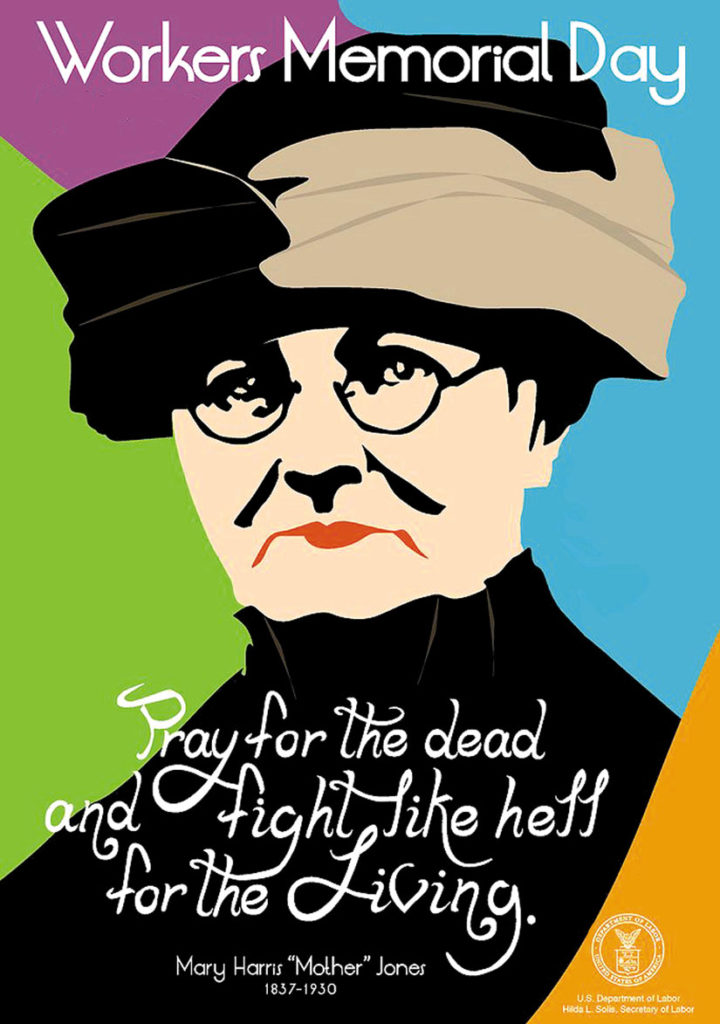
Remember the dead, fight like hell for the living