Category Archives: 2026 Asia-Pacific

Fiji: Union proposes psychosocial leave for teachers

Work conditions, staff burnout, leave entitlement

The Fiji Teachers Union says psychosocial leave is needed to address work‑related stress, family pressures and burnout. In response to the union’s call on the government to table the proposal in Parliament, the employment minister has now confirmed this will happen.

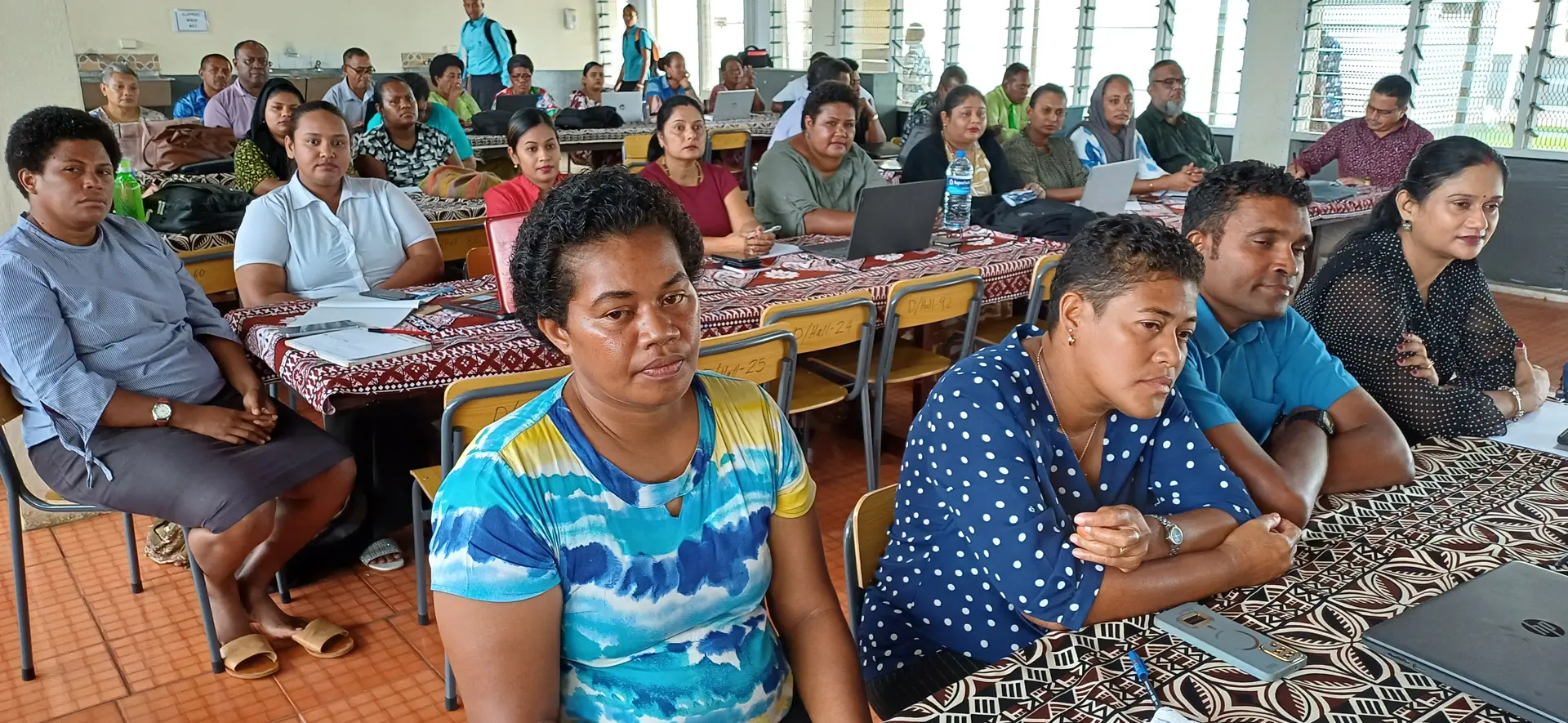
The union call came in an event marking the psychosocial hazards-themed International Workers’ Memorial Day. Fiji Teachers Union (FTU) general secretary Muniappa Goundar said psychosocial leave was necessary to improve employee welfare.

He said workers often faced family issues and psychological stress at home and required a few days off to resolve such matters.

“Migration of workers can be seen when adequate rest or welfare is not considered. In the teaching profession, migration continues to New Zealand and Australia due to better working conditions,” he said.

He described the current work environment as fast‑paced, demanding and often unforgiving. According to Mr Goundar, psychosocial issues often stem from toxic work environments, excessive workloads, job insecurity and a lack of supervisory support.

He said Australia had implemented a 10‑day psychosocial leave to assist workers dealing with family disputes or personal issues. “Workers are assets, not machines to be used and discarded,” Mr Goundar said, calling for better leave provisions and rest periods to ensure employees felt valued. He added that the ongoing debate over absenteeism, commonly referred to as Monday or Friday fever, could be addressed if employees were given adequate rest.

“Safe working environments, decent wages and fair workloads are not privileges — they are the rights of every worker,” he said.

Mr Goundar said teachers were facing workload burnout but remained committed to their profession, stressing that appropriate measures were needed to ensure their rest and wellbeing. “Teachers are now burdened with excessive administrative work, when their priority should be teaching,” he said. He said the proposal for psychosocial leave should be tabled in Parliament at its next sitting to ensure timely implementation for staff welfare.

Minister for Employment, Productivity and Workplace Relations Agni Deo Singh confirmed the proposal would be tabled in Parliament.

More: Fiji Sun.

Turkey: At least 432 workers have died at work so far in 2026

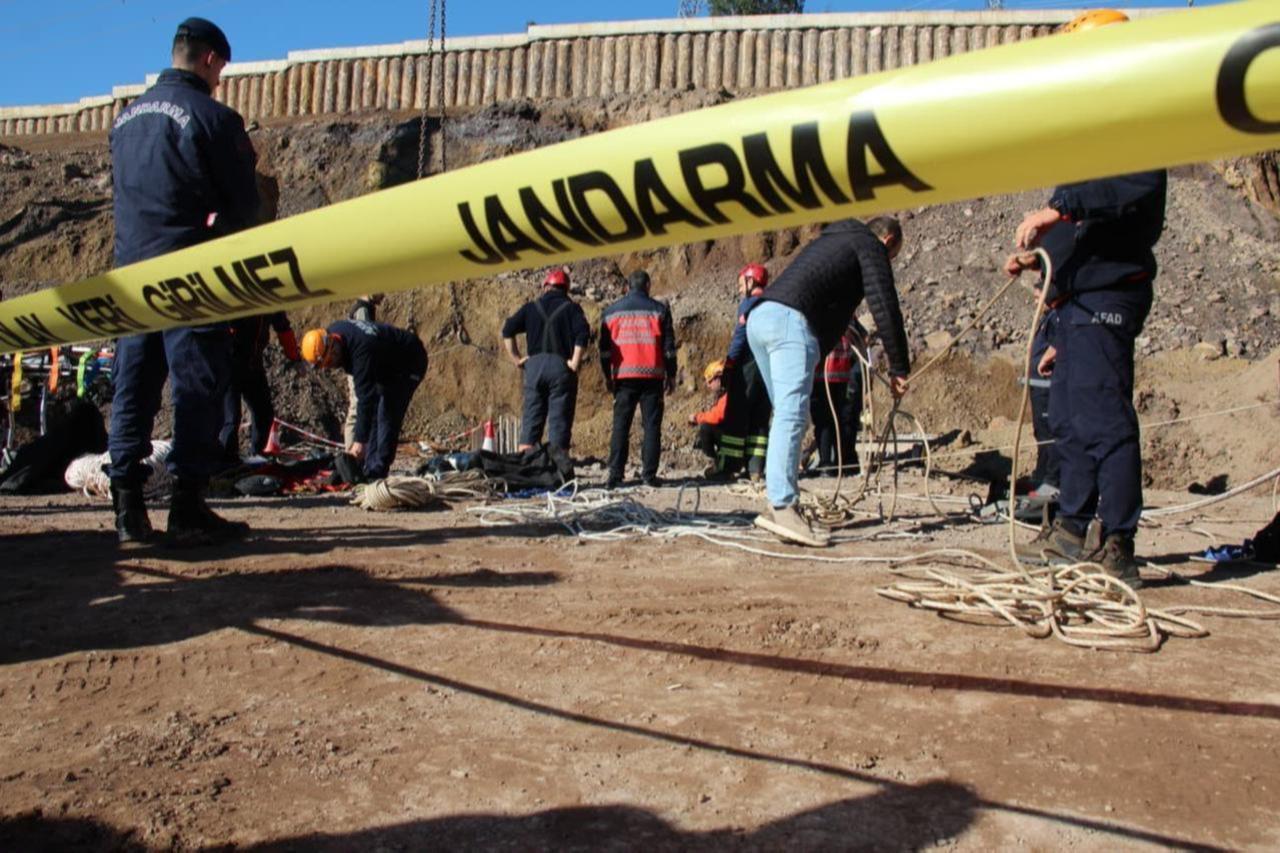
Search and rescue teams work at the scene after a worker was trapped during a collapse at a construction site. (IHA Photo)

At least 148 workers lost their lives in workplace-related incidents in Türkiye in March 2026, bringing the total number of deaths in the first three months of the year to 432, according to data compiled by the Health and Safety Labor Watch Council (ISIG). The labour safety group issued its findings ahead of International Workers’ Memorial Day on 28 April.

Structural risks highlighted over ‘accidents’

In its report, ISIG underlined that what are often described as workplace accidents should instead be seen as preventable deaths linked to working conditions. The report pointed to employer-driven cost pressures and insufficient safeguards as key factors behind the fatalities.

It also drew attention to vulnerable groups, particularly child workers and migrant labourers, who often face insecure and unregulated employment conditions.

Migrant workers, women among victims

Among those who died in March, 16 were women, while at least 15 were migrant workers. The report noted that migrant worker deaths were largely concentrated in agriculture and construction, sectors where informal employment is more widespread.

Union representation remained extremely limited, with only three of the deceased workers reported to be unionised.

Turkiye Today.

Global/Asia-Pacific: Psychosocial hazards at work: Why collective action Is essential

Psychosocial Hazards at Work: Why Collective Action Is Essential

Published: 27/04/2026

Editorial by Dr Hidayat Greenfield, IUF Asia/Pacific Regional Secretary

As unions mark International Workers’ Memorial Day on April 28, occupational safety and health must be understood in its full sense. The most widespread dangers workers face today are not only physical—they are psychosocial. Addressing them must become a central part of the trade union agenda.

ILO Convention No.155 on Occupational Safety and Health (1981) was recognized as a fundamental convention in 2022 and is now one of the ILO’s core labour standards. As such it applies everywhere to all workers regardless of whether governments have ratified the convention or not. It is a fundamental workers’ right – a human right.

But safety cannot be limited to physical protection. It must include freedom from psychological harm caused by how work is organized and managed.

Psychosocial hazards arise from the social context of work. They are rooted in the organization of work, systems of work, technologies, and the attitudes and behaviours of managers, supervisors, customers, and coworkers. While the effects are psychological, including stress, anxiety, depression, and loss of self-esteem, the causes are not personal. They are social.

This distinction is critical. It means that psychosocial hazards must be identified and addressed at their source. It also underlines the central role of unions in prevention.

Across the Asia Pacific region, union organizing has highlighted several key psychosocial hazards.

Precarious employment creates continuous uncertainty and insecurity. Contract workers, workers on standby, and workers employed through labour contractors experience constant anxiety about income, debt, and whether they will have work in the future. This inability to plan ahead is mentally and physically exhausting. It is debilitating. In addition, practices such as nepotism and abuse in hiring and rehiring deepen vulnerability and expose workers, especially women, to exploitation and harassment.

Piece rate wages, quotas, and performance targets generate excessive stress. In agriculture, failure to meet quotas leads directly to poverty wages and debt and has been identified as a driver of child labour. In hotels, excessive room quotas have been exposed as a major source of injury and illness. Across sectors, individual performance appraisal systems tied to wages increase surveillance, abuse of authority, and vulnerability to bullying and harassment. Targets are often constantly changing and influenced by favouritism, leading to demoralization, loss of motivation, and depression. Fear is central. Fear of not earning enough, fear of losing employment, and fear of being blamed all contribute to significant mental stress.

Continuous restructuring has created a work environment of ongoing uncertainty. Automation, digitalization, and new technologies, including algorithmic management, further increase stress and uncertainty. Workers face changing roles, unclear job descriptions, and increased responsibilities without recognition or reward. Self supervision and self reporting shift responsibility and blame onto individual workers, increasing stress and exhaustion. At the same time, there is a failure to address the long-term impact of this uncertainty on younger workers.

Behaviour-based safety has become a dominant approach to occupational safety and health. It places responsibility on individual workers rather than on employers and governments. As a result, psychosocial harm is treated as an individual mental health issue. Solutions such as counselling and wellbeing programs shift attention to workers’ attitudes and personal circumstances while leaving workplace hazards unchanged. This isolates workers and intensifies stress and anxiety.

In response, workers are organizing. Platform and gig economy workers, including food delivery riders, have formed unions to demand transparency, accountability, and protection from psychosocial harm.

The key role of unions is to use collective bargaining to shape how work is organized, ensure transparency in new technologies, and secure fair workloads, job security, and protection from harassment and discrimination. This is not about stopping change, but about assessing its impact, regulating its pace, ensuring training and support, and minimizing stress and anxiety while protecting workers’ health and dignity.

Collective action is essential. It transforms individual experiences of anxiety and stress into shared action and builds workers’ confidence that psychosocial hazards can be eliminated.

If unions fail to address psychosocial hazards, they risk losing relevance, especially among younger workers. By confronting these root causes and organizing around them, unions can strengthen their role and rebuild power.

On this International Workers’ Memorial Day, addressing psychosocial hazards at work must be a union priority. It is fundamental to protecting workers’ health, dignity, and rights.


This editorial is based on a presentation (in English) to the ITUC Asia Pacific webinar in commemoration of International Workers’ Memorial Day.

On this International Workers’ Memorial Day, addressing psychosocial hazards at work must be a union priority.

Dr Hidayat Greenfield, IUF Asia/Pacific Regional Secretary

Psychosocial Hazards at Work: Why Collective Action Is Essential
Nepal: Unions focus on heat stress and just transition in Workers’ Memorial Day meetings

In Nepal, BWI affiliated unions CAWUN, ANCWU and CUPPEC are marking Workers’ Memorial Day through meetings addressing occupational safety and health, just transition and the impacts of heat stress on workers. The discussions aim to strengthen coordination and awareness among union members around emerging workplace risks linked to climate change and working conditions.

India: Unions highlight heat stress and just transition in Workers’ Memorial Day discussions

In India, BWI affiliated unions KSCWCU and AIKTMS are marking Workers’ Memorial Day through workplace discussions focused on occupational safety and health, just transition and the growing impact of heat stress on workers. These sessions bring together union participants to strengthen awareness and coordination around key challenges facing workers, particularly in the context of climate change and its effects on working conditions.

Myanmar: BWFM links organising and safety in Workers’ Memorial Day planning meeting

In Myanmar, BWI affiliate BWFM is marking Workers’ Memorial Day through a planning workshop involving core leaders, focused on consolidating and expanding membership. The meeting also addressed the importance of occupational safety and health in the workplace, linking union organising with improved protection for workers.

Philippines: FFW raises heat stress awareness in Philippines radio broadcast for Workers’ Memorial Day

In the Philippines, BWI affiliate unions are marking Workers’ Memorial Day through both media outreach and worker education. FFW raised awareness of heat stress through a national radio discussion on GMA Super Radio. Meanwhile, NUBCW delivered training sessions for construction workers, covering trade union fundamentals, gender awareness, workplace conditions and occupational safety and health. These initiatives aim to strengthen worker understanding, organisation and protection in the face of ongoing workplace risks.

Malaysia: Unions mark Workers’ Memorial Day with migrant worker outreach and organising efforts

In Malaysia, BWI affiliate unions STIEU and TEUPM are marking Workers’ Memorial Day through workplace discussions, campaigns and organising activities. STIEU is engaging migrant workers across several companies, highlighting workplace conditions and the challenges they face, while building awareness and solidarity. TEUPM is combining its annual general meeting with discussions on occupational safety and health and IWMD, reinforcing union structures and strengthening worker representation.

Indonesia: Unions mark 28 April with nationwide push on safety heat stress and climate justice

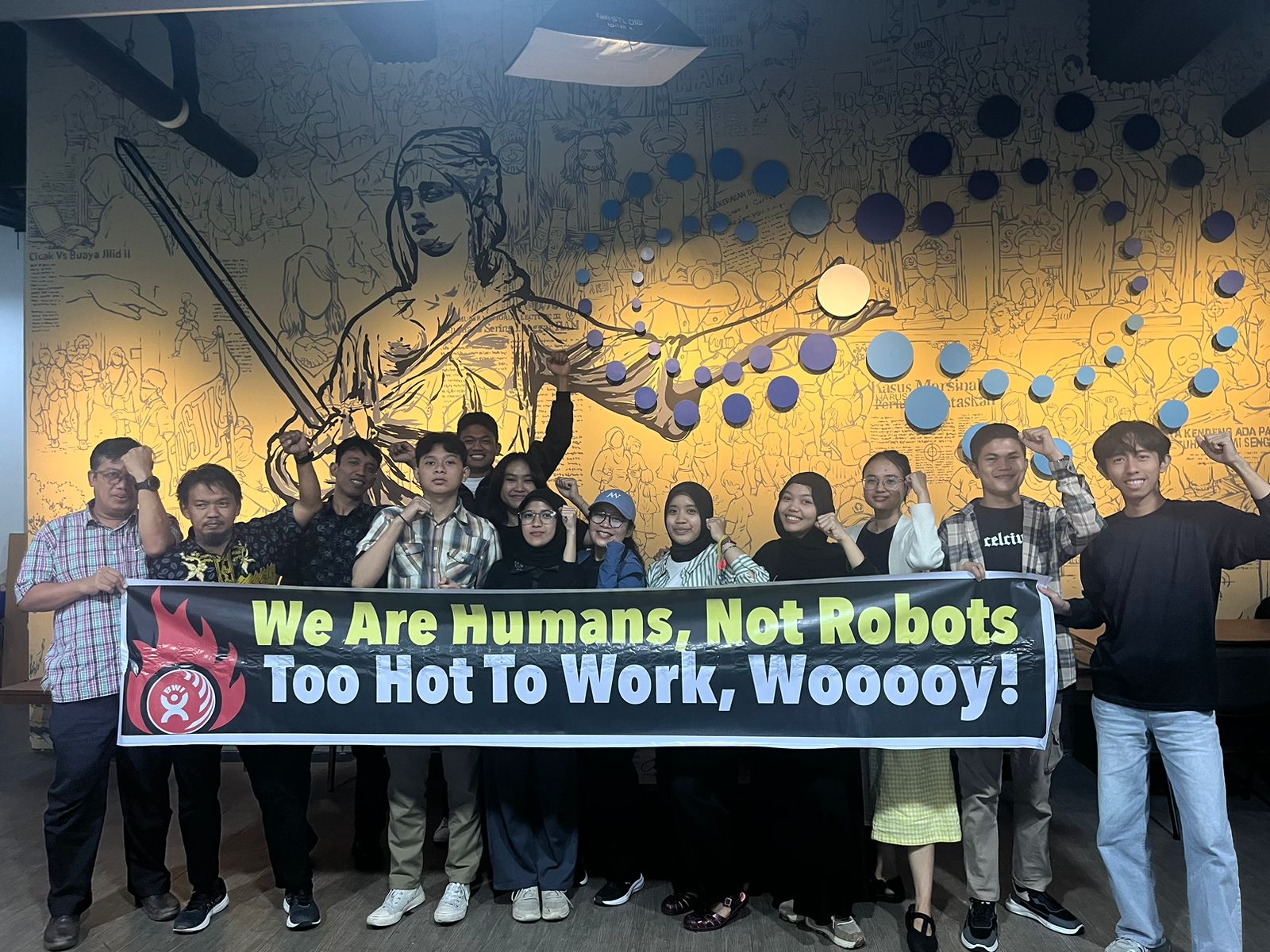
Across Indonesia and the wider region, unions including HUKATAN, SPPK-FSPMI, SERBUK, TEIUPM and BWI Asia Pacific are marking Workers’ Memorial Day with an extensive programme of meetings, campaigns, training and advocacy. Activities range from workplace discussions and OSH seminars to international “Too Hot To Work” campaigning, climate justice policy work and legal advocacy. Together, these initiatives highlight the growing impact of heat stress and climate change on workers while strengthening organisation, awareness and collective action for safer conditions.

Ukraine: PROFBUD marks Workers’ Memorial Day in Ukraine with safety conference and training sessions

BWI affiliate PROFBUD is observing Workers’ Memorial Day in Ukraine through occupational safety and health (OSH) activities, including a conference for 60 participants and a separate OSH training session for 30 workers. The events focus on strengthening workplace safety awareness and improving prevention of occupational risks.