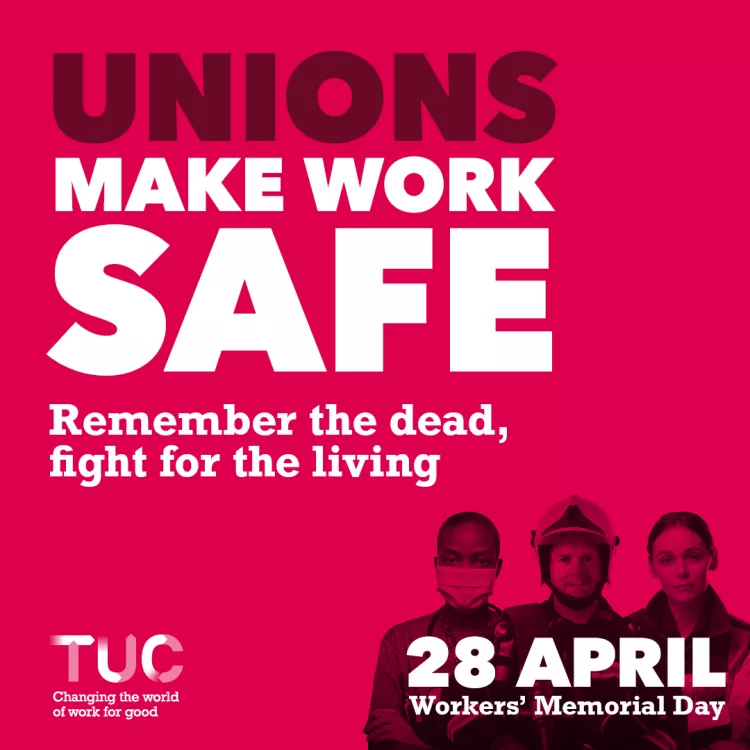
Two weeks after International Workers’ Memorial Day (IWMD), workers across the globe continue to send a clear message: “Remember the dead, fight for the living.”
This year, BWI affiliates marked IWMD with a record-breaking 305 activities organised by 86 affiliates in more than 47 countries, demonstrating the growing strength of the global movement for safer and healthier workplaces.
Under BWI’s global campaign focus on heat stress and extreme weather risks, affiliates organised workplace trainings, rallies, memorial ceremonies, bargaining initiatives, policy discussions, and awareness campaigns that mobilised thousands of workers across every region.
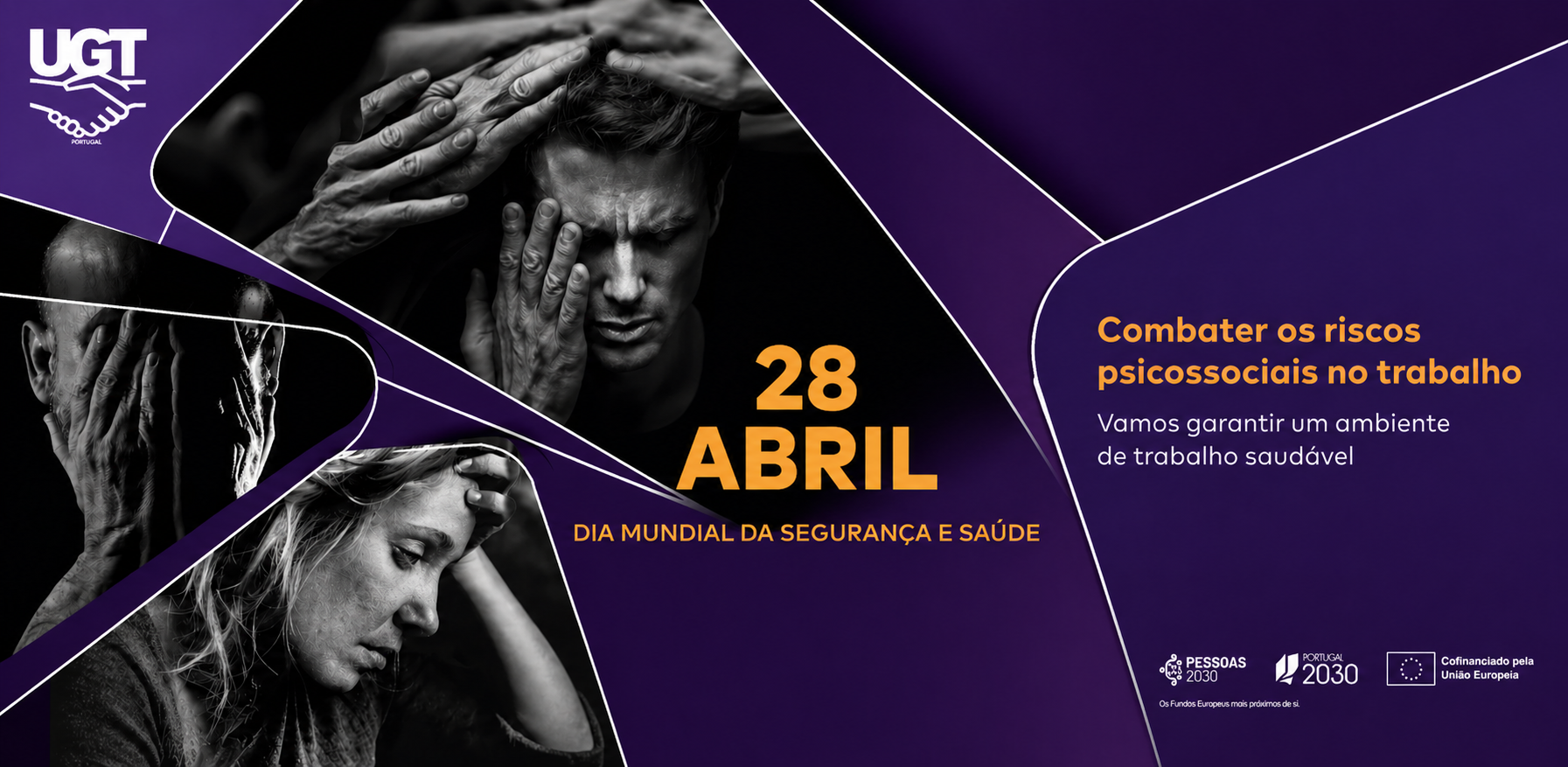
While the global focus this year was on heat stress and extreme weather risks, affiliates also used IWMD to commemorate victims of occupational accidents and diseases, raise awareness on psychosocial risks and mental health, strengthen occupational safety structures, and push for broader workplace protections.
The actions below are only some examples of the extraordinary mobilisation carried out by BWI affiliates worldwide.
Global Action
At the international level, BWI also brought workers’ concerns directly to the Meeting of Experts on occupational safety and health in extreme weather events and changing weather patterns in Geneva, the tripartite experts at the International Labour Organisation (ILO) reached consensus on a first-ever set of measures to address the impacts of extreme weather on workers and enterprises.
At the BWI Global Young Workers Forum in Utøya, Norway, young union leaders marked IWMD with discussions on bringing heat stress and climate risks into collective bargaining and strengthening demands for agreements that protect workers. The Forum also held a minute of silence honouring workers lost due to unsafe work and victims of political violence.
A major coordinated initiative entered the IFA with the Acciona Group, in which IWMD activities took place across Spain, the Philippines, Brazil, Chile, Italy, Panama, Peru, the Netherlands, and Mexico. Activities included workplace safety discussions, awareness sessions on working in heat, psychosocial risks and wellbeing, prevention campaigns, and commemorative moments honouring workers who lost their lives.
Africa and the Middle East: Workplace Awareness and Worker Engagement
Across Africa and the Middle East, affiliates used IWMD to bring occupational safety discussions directly into workplaces and communities.
- In Tunisia, FGBB brought together 99 workers to discuss physical and mental health at work, highlighting the growing importance of psychosocial risks and workers’ well-being alongside broader occupational safety concerns.
- In Kenya, KUPRIPUPA, KETAWU, and KBCTFIEU organised workplace awareness meetings and site visits focused on occupational health and safety concerns in construction and manufacturing workplaces.
- In Uganda, UBCCECAWU held IWMD activities at Zhongmei Engineering Company, discussing labour standards, worker safety, and occupational health protections in road construction.
- In Ghana, CBMWU organised workplace safety awareness activities, while GCQMWU highlighted psychosocial risks and the psychological working environment faced by workers.
- In Nigeria, NUCECFWW joined workers at CBC Global Construction in Abuja to discuss occupational accidents, workplace safety, and prevention measures.
- In Zimbabwe, ZCATWU organised worker meetings in Masvingo and Harare, focusing on occupational health and safety awareness and workers’ rights.
- In Mauritius, CMWEU held panel discussions with government institutions and OHS stakeholders before participating in a public demonstration with 900 participants in Rosehill, calling for stronger workplace protections.
Affiliates in Tunisia, Lebanon, and Jordan also organised workplace outreach, awareness activities, and worker discussions on occupational safety and health.
Europe: Memorial Activities and Public Campaigns
Across Europe, affiliates organised memorial activities, public awareness campaigns, and discussions on workplace safety and mental health.
- In Ukraine, PROFBUD organised an OSH conference and training with international experts, on asbestos awareness, Crane and lift safety, and traffic control, as well as prepared union statements, awareness activities, and commemorations honouring workers killed or injured at work.
- In Bulgaria, PODKREPA publicly called for stronger workplace protections and safer working conditions in the construction sector.
- In Italy, FILCA CISL, FILLEA CGIL, and CGIL/FILLEA organised rallies, memorial activities, workplace campaigns, and tributes honouring workers who lost their lives due to occupational accidents and diseases.
- In the UK, Unite organised commemorative events in Liverpool, Bridgwater, Belfast, and Tower Hill, raising concerns around occupational fatalities, psychosocial risks, stress, mental health, and workers’ wellbeing.
Affiliates in Sweden, Georgia, Poland, Kyrgyzstan, Moldova, Denmark, Turkey, and Spain also marked IWMD through rallies, statements, member meetings, posters, and social media campaigns.
Latin America and the Caribbean: Training, Prevention, and Organising
Across Latin America and the Caribbean, affiliates combined worker education, prevention campaigns, and commemorative activities.
- In Brazil, unions organised Green April mobilisations, webinars, workplace awareness campaigns, and prevention initiatives addressing occupational safety and workers’ health, highlighting how climate change is transforming occupational health and safety into a central collective bargaining issue.
- In Peru, FTCCP carried out one of the region’s largest IWMD programmes, including seminars, livestreams, videocasts, social media campaigns, and virtual trainings on occupational safety, hazard identification, fall prevention, and workplace risks.
- In Argentina, UOCRA organised campaigns on occupational health, psychosocial risks, work at height, and prevention measures in construction workplaces. At the SIDERSA plant in San Nicolás, union OHS teams conducted workplace assessments involving around 350 workers.
- In the Dominican Republic, unions combined practical occupational safety training with a candlelight ceremony commemorating victims of occupational accidents and diseases.
- In Panama, SUNTRACS organised workplace assemblies and occupational health and safety discussions across construction projects linked to protections secured through collective agreements.
- In Chile, workers participated in workplace prevention campaigns and awareness activities focused on occupational safety and well-being.
Asia-Pacific: Grassroots Mobilisation and Worker Education
Across the Asia-Pacific, affiliates mobilised thousands of workers through training, awareness campaigns, organising activities, and commemorations.
- In Pakistan, PFBWW organised IWMD meetings and awareness activities at Tarbela Dam, Balakot Dam, and Mohmand Dam, bringing workers together to discuss occupational safety, workplace risks, and the importance of prevention and worker protection.
- In India, unions organised workplace discussions, rallies, seminars, poster campaigns, and district-level mobilisations focused on occupational safety, workers’ rights, and workplace wellbeing. SGEU alone mobilised around 1,000 women members.
- In Nepal, CAWUN, ANCWU, and CUPPEC organised worker meetings and awareness discussions on occupational safety and health.
- In Indonesia, SERBUK and other affiliates carried out extensive activities, including OSH trainings, workplace visits, youth campaigns, climate justice discussions, and awareness sessions on workers’ safety and wellbeing.
- In Malaysia, STIEU organisers met migrant workers in several workplaces to discuss occupational safety, organising, and workers’ conditions, while TEUPM held discussions linked to the Too Hot To Work campaign.
- In the Philippines, NUBCW organised simultaneous OSH trainings, awareness discussions, campaign reels, and worker mobilisations during May Day activities.
- In Cambodia, affiliates organised training, outreach campaigns, and awareness activities on occupational safety and workers’ health.
- In Australia, CFMEU and ETU commemorated workers who never returned home from work while renewing calls for stronger workplace protections.
From Awareness to Agreements
Across all regions, IWMD 2026 demonstrated a growing determination among workers and unions to strengthen occupational safety protections through organising, education, bargaining, and collective action.
From memorial ceremonies and psychosocial risk campaigns to workplace trainings and climate-related advocacy, affiliates reinforced one common
message: work-related deaths, injuries, and illnesses are preventable.
Let’s Keep Up the Momentum
The struggle for safer and healthier workplaces does not end on 28 April.
BWI calls on all affiliates to continue organising, educating, bargaining, and fighting for enforceable protections for all workers.
Because every worker has the right to go to work—and come home safely.
ORGANISE.
BARGAIN.
WIN PROTECTION.