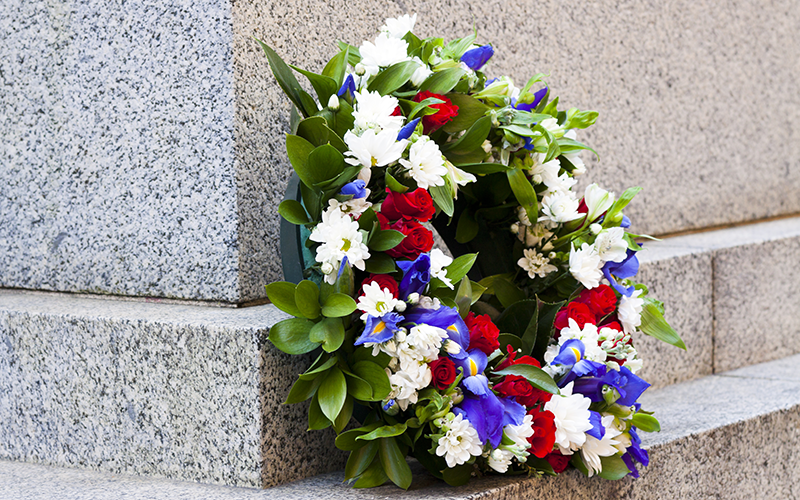
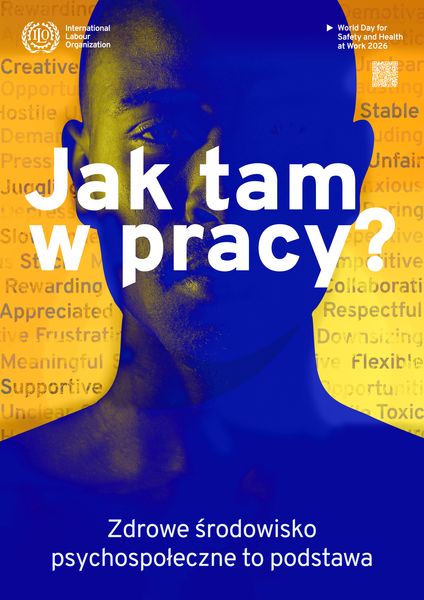
Canada: Day of Mourning – April 28 – Nova Scotia

Day of Mourning – April 28

The Halifax Day of Mourning Ceremony is at Province House (outside grounds) at 11 am on Tuesday, April 28.

This day is a solemn reminder that workplace safety must remain a top priority for all employers and workers. For the Federation and its affiliated unions, the Day of Mourning is a day when we collectively call for action and continue advocating for safer working conditions, improved safety standards, and enhanced protection for workers across the province.

As a collective voice for workers in Nova Scotia, the Federation of Labour recognizes the importance of the National Day of Mourning in raising awareness about workplace safety issues. Since the Westray Bill was enacted in 1982, almost 700 workers have died at or because of work in our small province and it’s estimated that 1000 workers are killed on the job across Canada annually. Last year 22 workers in our province lost their life at or because of work.

The day serves as an opportunity to acknowledge the daily risks and hazards many workers face, particularly those in high-risk occupations.

Through events and ceremonies held on this day, the Federation of Labour and its members aim to promote a workplace safety culture and encourage employers to prioritize the health and well-being of their employees.

The National Day of Mourning is also a chance for the Federation to come together with its members and the broader community to honour the memory of those who have lost their lives or have been injured on the job.

By organizing and participating in events such as candlelight vigils, flag-raising ceremonies, and moments of silence, or ceremonies like this today, the Federation of Labour and its members pay their respects to those impacted by workplace accidents.

This day is a powerful reminder that every worker has the right to a safe and healthy work environment and must work together to prevent future tragedies.

The following ceremonies will be observed in Nova Scotia this year:

Annapolis Valley Labour Council

Kentville Memorial Park — at Workers’ Memorial Stone Monument

Tuesday, April 28, 2026 at 3:00pm – 4:00pm

Contact: Leslie Campbell at Annapolis Valley Labour Council – email: lccp66@hotmail.com

Wreaths available for order from Silver Horse Florist:  (902) 678-4728


Nova Scotia Federation of Labour 

Nova Scotia Legislature (Province House) outside grounds 

Tuesday, April 28, 2026 at 11:00am

Contact: Amy Morris at NS Federation of Labour: (902) 454-6735 / email: accounts@nslabour.ca

Wreaths available for order from Flower Trends Florists: (902) 434-5150. 

Cutoff for orders is April 20th


Cape Breton District Labour Council

Ashby Legion, 35 State Street, Sydney

Tuesday, April 28, 2026 at 6:00pm – 8:00pm

Contact: Natasha Hogan – email: natasha.hogan.cbdlc@hotmail.com

Wreaths available for order from MacKillops Flowers: (902) 539-1214


Pictou County Injured Workers Association

Trenton Park, 119 Park Road, Trenton

Tuesday, April 28, 2024 at 6:00pm

Contact: Mary Lloyd – email: marypciwa@eastlink.ca

Wreaths available for order from McKean’s Flowers: (902) 752-4146

https://nslabour.ca/day-of-mourning-april-28-3/

Fiji: Union proposes psychosocial leave for teachers

Work conditions, staff burnout, leave entitlement

The Fiji Teachers Union says psychosocial leave is needed to address work‑related stress, family pressures and burnout. In response to the union’s call on the government to table the proposal in Parliament, the employment minister has now confirmed this will happen.

The union call came in an event marking the psychosocial hazards-themed International Workers’ Memorial Day. Fiji Teachers Union (FTU) general secretary Muniappa Goundar said psychosocial leave was necessary to improve employee welfare.

He said workers often faced family issues and psychological stress at home and required a few days off to resolve such matters.

“Migration of workers can be seen when adequate rest or welfare is not considered. In the teaching profession, migration continues to New Zealand and Australia due to better working conditions,” he said.

He described the current work environment as fast‑paced, demanding and often unforgiving. According to Mr Goundar, psychosocial issues often stem from toxic work environments, excessive workloads, job insecurity and a lack of supervisory support.

He said Australia had implemented a 10‑day psychosocial leave to assist workers dealing with family disputes or personal issues. “Workers are assets, not machines to be used and discarded,” Mr Goundar said, calling for better leave provisions and rest periods to ensure employees felt valued. He added that the ongoing debate over absenteeism, commonly referred to as Monday or Friday fever, could be addressed if employees were given adequate rest.

“Safe working environments, decent wages and fair workloads are not privileges — they are the rights of every worker,” he said.

Mr Goundar said teachers were facing workload burnout but remained committed to their profession, stressing that appropriate measures were needed to ensure their rest and wellbeing. “Teachers are now burdened with excessive administrative work, when their priority should be teaching,” he said. He said the proposal for psychosocial leave should be tabled in Parliament at its next sitting to ensure timely implementation for staff welfare.

Minister for Employment, Productivity and Workplace Relations Agni Deo Singh confirmed the proposal would be tabled in Parliament.

More: Fiji Sun.

UK: Overworked health staff report stressed out, says UNISON

A third of employees in the UK National Health Service (NHS) have taken time off for mental health issues in the past year with many staff talking about reaching “breaking point”, according to the union UNISON.

A survey of health workers, including nurses, occupational therapists and paramedics, has also found more than four in five (85%) have experienced stress at work over the past 12 months.

UNISON says the findings – based on responses from more than 19,000 staff and released during the union’s annual health conference in Edinburgh and released two weeks ahead of the psychosocial hazards-themed International Workers’ Memorial Day on 28 April – paint a grim picture when the NHS workforce is under pressure to reduce waiting lists.

Staff say stress has had a significant impact on their mental and physical health, with symptoms including anxiety, PTSD, panic attacks, migraines, and sleep disturbance.

Some have experienced high blood pressure, stress-related vomiting, dizziness and breathlessness, according to the findings of the union survey. One NHS worker even reported suffering a heart attack due to understaffing and high workloads.

Many described reaching breaking point, feeling exhausted and overwhelmed by sustained levels of stress. This has affected their relationships and family lives, with some reporting suicidal thoughts, UNISON says.

NHS workers also described taking antidepressants and beta-blocker drugs, as well as undergoing cognitive behavioural therapy and counselling.

Almost a quarter (23%) of those taking sick leave didn’t tell their employer the real reason for their absence from work. Of those, most said they did not feel their manager would support them, while concerns about stigma and not wanting colleagues to know were also common.

Counselling, medication or other forms of support had been sought in the past year by more than one in four (28%) of those under stress. Almost two thirds (65%) of those who had taken time off for stress reported feeling that they were under pressure to come to work, despite feeling mentally unwell. This adds strain to an already overstretched workforce, UNISON says.

UNISON head of health Helga Pile said: “Such high levels of stress in the NHS should be ringing alarm bells. Staff who care for others are being pushed to the point that they’re becoming unwell themselves.” She added: “Government and employers must do more to help staff with their mental health, including providing fast-track access to treatment and moving away from punitive and counter-productive absence policies.”

Unison news release

Turkey: At least 432 workers have died at work so far in 2026

Search and rescue teams work at the scene after a worker was trapped during a collapse at a construction site. (IHA Photo)

At least 148 workers lost their lives in workplace-related incidents in Türkiye in March 2026, bringing the total number of deaths in the first three months of the year to 432, according to data compiled by the Health and Safety Labor Watch Council (ISIG). The labour safety group issued its findings ahead of International Workers’ Memorial Day on 28 April.

Structural risks highlighted over ‘accidents’

In its report, ISIG underlined that what are often described as workplace accidents should instead be seen as preventable deaths linked to working conditions. The report pointed to employer-driven cost pressures and insufficient safeguards as key factors behind the fatalities.

It also drew attention to vulnerable groups, particularly child workers and migrant labourers, who often face insecure and unregulated employment conditions.

Migrant workers, women among victims

Among those who died in March, 16 were women, while at least 15 were migrant workers. The report noted that migrant worker deaths were largely concentrated in agriculture and construction, sectors where informal employment is more widespread.

Union representation remained extremely limited, with only three of the deceased workers reported to be unionised.

Turkiye Today.

Global: Safe work, healthy workplaces: Tackling psychosocial risks at work – ILO

Safe work, healthy workplaces: Tackling psychosocial risks at work

On World Day for Safety and Health at Work 2026, ILO Director-General Gilbert F. Houngbo highlights the urgent need to improve psychosocial working environments.

Content also available in: españolfrançais   • italiano中文

As the world of work evolves, factors like job design, management practices, and workplace culture have a direct impact on workers’ health, dignity, and well-being. With over 840,000 deaths linked annually to psychosocial risks, the call is clear: governments, employers, and workers must act together to create safer, healthier, and more just workplaces for all.

Across the world, work shapes people’s lives in profound ways.
It can provide purpose, security and opportunity.

But the way work is designed, organized and managed also affects something fundamental:  workers’ safety, health and dignity.

Today, the world of work is changing rapidly. Digital technologies, new forms of employment, demographic change and climate pressures are transforming the way we work.

In this context, the psychosocial working environment has never been more important.

For workers in every sector, psychosocial factors at work can make the difference between a job that supports well-being and one that undermines it.

The consequences are significant.

Psychosocial risk factors at work are linked to more than 840,000 deaths each year worldwide, associated with cardiovascular diseases and mental disorders.

They place heavy costs on societies and economies.

Safe and healthy working environments are a fundamental principle and right at work.

But they do not happen by chance.

When work is designed with reasonable demands, adequate support, opportunities for participation and respect for dignity, it benefits everyone.

Workers are healthier and more motivated.

Enterprises become stronger and more sustainable.

Preventing psychosocial risks requires commitment and cooperation.

Governments must put in place effective policies, legal frameworks and occupational safety and health systems that support prevention.

Employers shape the daily reality of work through leadership and responsible management practices.

And workers and their representatives bring essential knowledge about how work is experienced.

On this World Day for Safety and Health at Work, the ILO calls on governments, employers and workers everywhere to strengthen their efforts to prevent psychosocial risks through social dialogue, to ensure that the design, organization and management of work creates the conditions for healthier workers, successful enterprises and societies that are closer to social justice.

This is at the heart of the ILO’s vision of decent work.

Norway: Young workers in Norway turn remembrance into action on heat stress and safety

In Norway, young union leaders marked Workers’ Memorial Day at the BWI Global Young Workers Forum in Utøya by combining commemoration with action. Participants held a minute of silence for workers who lost their lives due to unsafe conditions and political violence, including the victims of Utøya, and discussed how to push heat stress protections into collective bargaining. The forum emphasised the growing impact of climate risks and the need to prioritise worker safety, health and dignity in negotiations.

Europe: Psycho killer in focus on IWMD

April 28th is known as both International Workers Memorial Day and World Day for Safety and Health at Work, an opportunity to reflect on what must change for our working world to deliver safe and dignified jobs.

This year’s thematic approach focuses on psychosocial risks (PSR), with trade unions across the globe united in calling for not just recognition, but action, in an area where Europe continually fails to deliver.

Last week, the International Trade Union Confederation (ITUC) hosted a webinar exploring the differing approaches to tackling PSR, including an in-depth analysis of the European landscape from Eurocadres President Nayla Glaise. A full recording of the webinar can be found here.

Despite the public opinion of the “Brussels effect”, what was made clear throughout the event was how far behind Europe lags in comparison to other nations and regions. One such example comes from the other side of the world, with the Australian Council of Trade Union’s Liam O’Brien highlighted the excellent provisions within their national legislation, won through years of campaigning and advocacy with progressive political parties.

Adding to the presentation by PSC Observatory’s Maureen Dollard, Union Density and its Role in Shaping a Psychosocial Safety Climate, and efforts at the ILO level, what becomes clear is that Europe is dragging its feet in the protection of workers against psychosocial risks.

However, efforts are underway to change this.

“We are delighted to see International Workers’ Memorial Day focus on such a pivotal topic for professionals and managers. Eurocadres will continue to lead the push for European action, with the support of unions, as seen today, from right around the world”.

This month the European Parliament’s employment and social affairs (EMPL) committee were presented with MEP Estelle Ceulemans’ (S&D, BE) report on psychosocial risks, including a prominent call for a directive. The result of many months of discussions and drafting, the Belgian lawmaker has not only called on the Commission to act, but has outlined what a directive would look like in the annexe of the text.

While still a long way to go in the process, this report is an excellent starting point for yet another parliamentary call for action.

On the significance of IWMD, Eurocades President Nayla Glaise stated: “We are delighted to see International Workers’ Memorial Day focus on such a pivotal topic for professionals and managers. Eurocadres will continue to lead the push for European action, with the support of unions, as seen today, from right around the world.

“An integral part of this is the work of the European Parliament, and we commend Estelle for her terrific work in the proposal of this report. The coming months will be crucial to ensure support for the text, and we are looking forward to playing our part to help deliver a strong mandate to the Commission”.

Psycho killer in focus on IWMD

Global: ITUC 28 April shareables for social media campaigning

IGlobal union confederation ITUC has published a board range of social media ready 28 April shareables. A selection are below – you can download a complete set here


Global/UK: Suicide crisis – action call as more than one in 10 suicides is linked to work – Hazards magazine

Who benefits when regulators and the courts pursue bosses whose brutal employment practices drive workers to the brink of suicide or to actually kill themselves? Well, says Hazards, new studies suggest we all do, as it leads to ‘significant’ and widespread safety improvements.

Hazards magazine argues that when regulators and the courts go after the employers who are driving their workers to suicide, we will all benefit. Read SUICIDE CRISIS | Action call as more than one in 10 suicides is linked to work


USA: Honor those we lost by fighting for stronger workplace safety – AFSCME


It’s not too much to ask to be safe at work. In fact, the US Occupational Safety and Health Act of 1971 says every worker has a fundamental right to a safe work environment.

And yet there are still too many avoidable accidents. Too many injuries. And way too many deaths.

In 2024, the most recent full year of data available, . And about 135,000 died from occupational diseases not including COVID-19.

“On Workers Memorial Day, we mourn the loss of all those who have died, been seriously injured or made ill while on the job. Going to work and earning a paycheck to support your family should not be hazardous to your health. Unfortunately, every year, thousands of families receive the devastating news that their loved one died or was seriously injured on the job, often because of a preventable workplace hazard,” said AFSCME President Lee Saunders.

Saunders said the Trump administration has weakened worker protections by cutting funding for inspections and enforcement. Stronger safeguards against extreme heat for those who work outside, like sanitation and highway workers, have not been approved, and those in health care, corrections and other fields continue to face unacceptable high rates of workplace violence, he said.

“These reckless decisions put more workers in harm’s way and make tragedies like the ones we commemorate today more likely. That’s why we’re organizing for stronger workplace protections — such as heat standards and workplace violence regulations — so sanitation workers, nurses, behavioral health workers, paramedics, corrections officers, and other public service workers can do their jobs without risking preventable injury or death. AFSCME members and all workers deserve a government that mandates and enforces strong worker safety protections,” Saunders said.

These attacks only make AFSCME members fight harder for improved safety programmes and stronger enforcement, the union said.

AFSCME members are leading efforts all over the country through advocating protective legislation, bargaining strong contracts or organizing members across sectors around health and safety:

  • Kaiser Permanente health care professionals in California and Hawaii won robust contracts this year, including provisions for stronger staffing, after going on a historic strike;
  • AFSCME library members in Washington state held a summit last year to address pressing health and safety concerns, such as workplace violence;
  • AFSCME members in Texas this year defended workplace protections for pregnant and postpartum corrections.

The union concluded that this Workers Memorial Day, we take inspiration from the AFSCME members around the country who serve their communities with dedication and skill, and stand together to fight for respect, dignity and safety all workers deserve.

Full AFSCME 28 April statement
https://www.afscme.org/blog/workers-memorial-day-honor-those-we-lost-by-fighting-for-stronger-workplace-safety

Remember the dead, fight like hell for the living